More About This Card
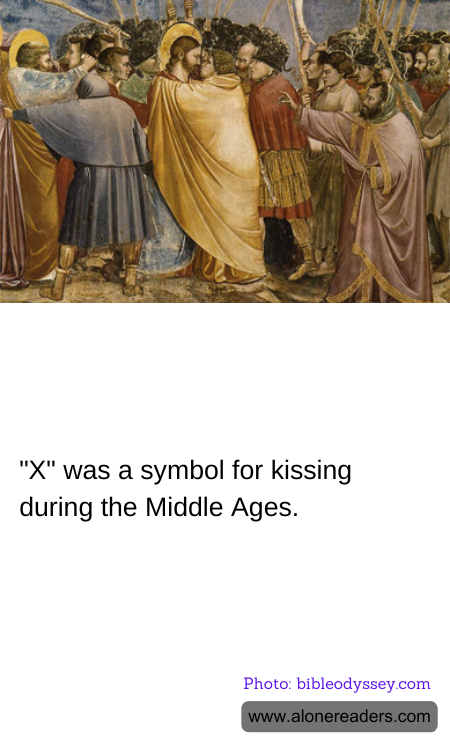
The use of "X" as a symbol for kissing traces back to the Middle Ages, embedding itself deeply in cultural practices particularly across Europe. The origins of this symbolism are often attributed to the way the letter X resembled two people kissing, or sometimes to the Christian cross, which early Christians would kiss to pledge their faith or sincerity. Historically, many individuals could not read or write, and when they needed to sign documents, marking an "X" took the place of their signatures. This mark was then kissed as a display of their honesty and to invoke the image of the cross, hence, a demonstration of their integrity and sincerity.
As literacy began to spread, the social customs associated with the "X" began to evolve. By the time of the Victorian era, the practice of ending letters with "X"s to signify kisses became commonplace. This era valued coded messages and elaborate gestures of affection, turning the use of "X" at the end of correspondence into a more romantic gesture, a trend that has persisted into the modern day usage in letters, cards, and digital communications like texts and emails.
Psychologically, the "X" as a symbol of a kiss is a visual manifestation of affection and a compact representation of a gesture that conveys love, friendship, or greeting. Its simplicity allows it to transculturally convey warmth and closeness, making it a universally recognized symbol. This aspect of the "X" signifying a kiss continues to be a charming relic of historical social practices, reflecting both a continuity and a transformation in the way human beings express affection and maintain social bonds.
Whether in medieval times as part of legally binding documents, or in contemporary times across digital messages, the "X" endures as a poignant symbol of love and affection. Its evolution from a religious and legal marker to one of emotional sentiment underlines how symbols can transcend their original contexts to gain new meanings and significance in society.