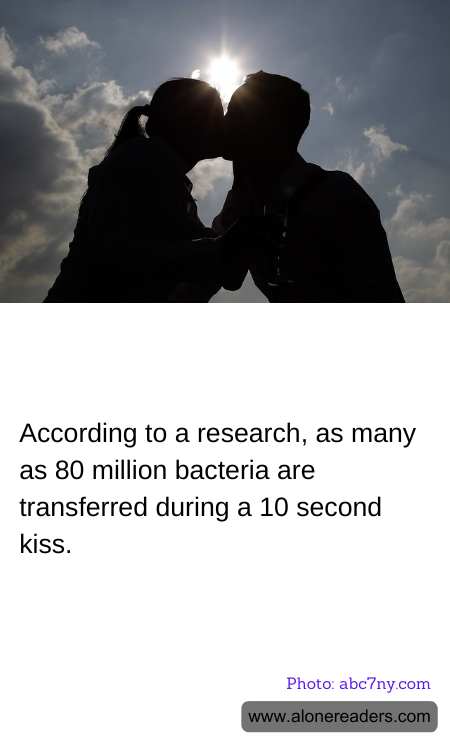
Kissing, a universal act of intimacy and affection, has been romanticized in countless ways by many cultures around the world. However, what might not often come to mind is the considerable microbial exchange that occurs with each kiss. Research illustrates a staggering figure: approximately 80 million bacteria can be transferred between partners during a mere 10-second kiss.
This exchange of bacteria, while it might sound alarming at first, is not necessarily harmful. In fact, it plays a significant role in the natural process of building and maintaining the immune system. By exposing ourselves to a wide array of microbes, the body is potentially able to strengthen its defenses against various pathogens. Interestingly, the type and variety of bacteria present in the saliva are influenced by the individual’s diet and lifestyle, which makes each person’s microbial "footprint" highly unique.
Moreover, the sharing of these microbes can also enhance the bonds between couples. From a biological standpoint, kissing acts as a mechanism for partners to exchange biological information about their immune systems. Subconsciously, this could influence partner selection, driving individuals toward those who have distinctly different immune system genes, potentially resulting in healthier offspring.
On the flip side, the transfer of bacteria through kissing can also pose risks, particularly if one of the partners is carrying pathogens that could lead to illnesses such as colds, mononucleosis, or even periodontal disease. Therefore, maintaining good oral hygiene plays a critical role in ensuring that the microbiological impacts of kissing remain beneficial rather than harmful.
Understanding the complexities behind such a common act as kissing not only highlights the interconnectedness of our biological systems but also underscores the importance of maintaining good health practices. Whether it leads to reinforcing the immune system or deepening emotional connections, the act of kissing is intertwined with both biological implications and cultural traditions.
