More About This Card
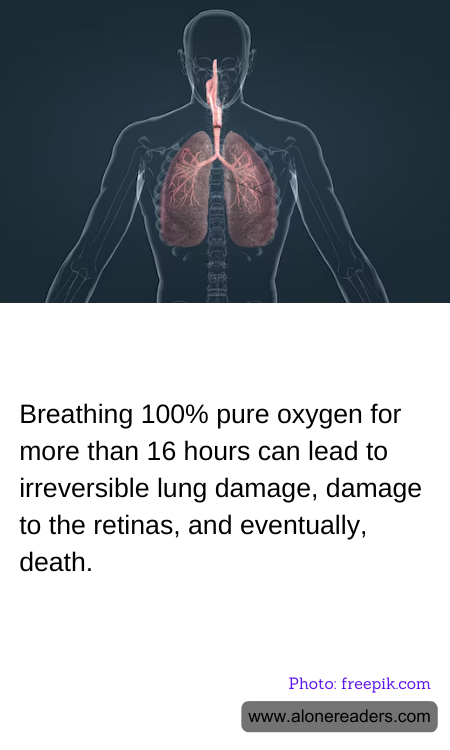
Breathing 100% pure oxygen for extended periods, notably more than 16 hours, poses significant health risks due to oxygen toxicity, a condition resulting from the harmful effects of breathing molecular oxygen (O2) at increased partial pressures. In environments like hyperbaric oxygen therapy chambers or certain deep-sea diving scenarios, exposure to pure oxygen is carefully controlled but still poses risks if not adequately monitored.
Extended inhalation of pure oxygen can lead to oxidative stress, where an excess of reactive oxygen species (ROS) can damage cellular structures. This oxidative stress primarily affects lung tissue, causing irritation and inflammation, a condition referred to as acute respiratory distress syndrome (ARDS). The symptoms of ARDS range from mild breathing difficulties and coughing to potential respiratory failure, necessitating emergency medical interventions.
Moreover, the eye is particularly vulnerable to high concentrations of oxygen. Prolonged exposure can lead to retinal damage and an increased risk of developing retinopathy, especially troubling for neonates in medical settings where oxygen levels are used therapeutically. The retina, when subjected to high oxygen levels, may suffer from vasoconstriction, reducing blood flow and leading to the death of retinal cells, which can impair vision.
More alarmingly, continued exposure to high levels of oxygen can have systemic toxic effects, potentially affecting the central nervous system, leading to symptoms such as nausea, dizziness, muscle twitching, or seizures. In the most severe cases, this can escalate to convulsions, coma, and even death if the exposure is not eliminated.
The dangers associated with inhaling pure oxygen emphasize the importance of maintaining controlled environments where oxygen exposure is necessary, whether in medical settings or specialized industrial and research activities. When using pure oxygen, whether for medical treatment, space travel, or diving, careful monitoring and adherence to safety protocols are imperative to prevent oxygen toxicity and protect individuals from its potentially lethal effects. Thus, ensuring that any therapeutic or operational approach that involves high oxygen levels is handled by trained professionals and with strict guidelines is crucial for safety and efficacy.