More About This Card
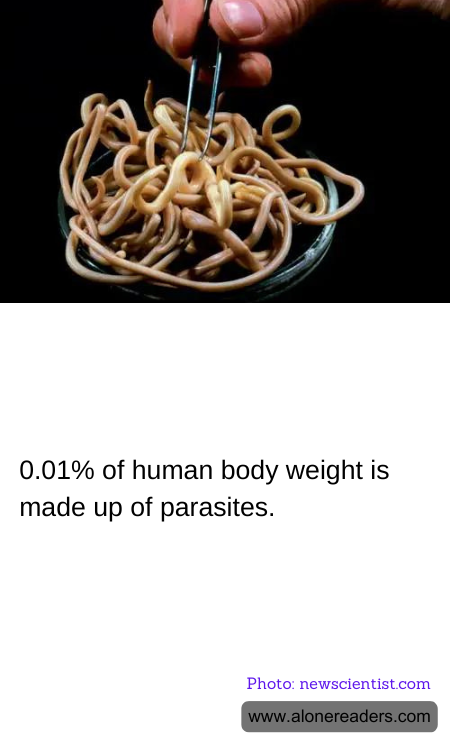
In the complex ecosystem of the human body, a surprising fact is that approximately 0.01% of a person’s body weight is made up of parasites. These organisms live on or inside human bodies, deriving nutrients at the host's expense. Parasites range from microscopic protozoa, such as amoebas, to large worms, such as tapeworms or roundworms.
Parasites are not just biological curiosities but are major players in human health and disease. For example, malaria, caused by the protozoan parasite Plasmodium, continues to be a major global health challenge, especially in tropical regions. Worms such as hookworms, despite being largely eradicated in the developed world, still afflict millions with chronic illness in many developing countries. These parasites can cause a variety of symptoms, from mild gastrointestinal distress to severe complications like malnutrition, anemia, or even cognitive impairments in children.
The presence of these parasites in the human body reflects a deep evolutionary relationship, highlighting the complex interplay between human hosts and parasitic species. From an immunological standpoint, there is evidence suggesting that some parasitic infections can help in moderating autoimmune diseases—a concept central to the hygiene hypothesis, which argues that a lack of exposure to parasites and other pathogens might increase susceptibility to allergic diseases.
Eliminating harmful parasites without disrupting beneficial or benign ones is a significant challenge in medical and pharmaceutical research. The development of antiparasitic drugs and improved public health measures are critical for controlling harmful parasites. Meanwhile, understanding the role and function of benign parasites might help advance knowledge in immunology and human physiology. This complex balance underscores the importance of continuing research into parasitic organisms and their interactions with human hosts.