More About This Card
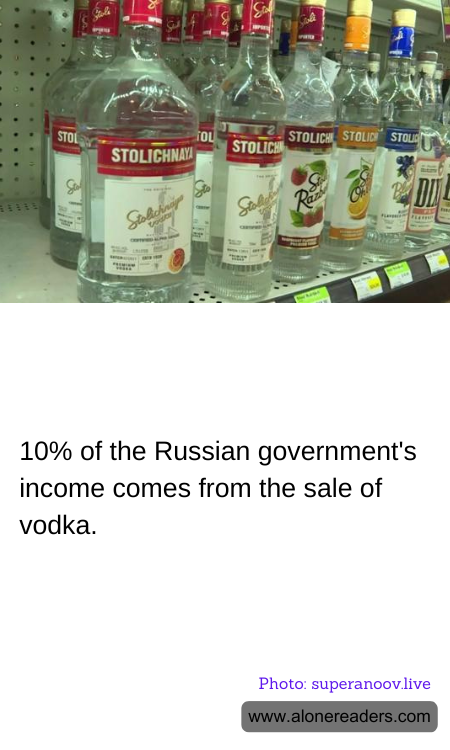
Vodka has long been more than just a popular spirit in Russia; it is a significant cultural symbol and, interestingly, a substantial economic contributor. An estimated 10% of the Russian government’s income is derived from the sale of vodka, underscoring its importance not only in social and cultural contexts but also as a vital source of revenue for the state.
The relationship between the Russian state and vodka production stretches back centuries, with the government historically having a monopoly on its production and sale. This control was a strategic move, enabling the government to generate revenue from one of the country’s most consumed beverages. In Tsarist and Soviet times, this was particularly pronounced, with the state using alcohol sales as a key funding source for various public initiatives and governmental expenditures.
Today, despite numerous reforms and the privatization of many industries, the Russian government still plays a pivotal role in the alcohol industry. It exerts considerable influence through regulation and taxation. Taxes on alcohol, including vodka, are a major revenue stream that the government relies on to fund sectors such as infrastructure, healthcare, and education.
Moreover, there’s an ongoing balancing act the government must perform in fostering this income while combating alcohol abuse and promoting public health. Russia has faced significant social issues linked to high rates of alcohol consumption, prompting various public health campaigns and policy initiatives aimed at reducing consumption. These initiatives include increasing taxes on alcohol, limiting sales times, and cracking down on illegal production.
Thus, the economic benefits of vodka sales are a double-edged sword for the Russian government. While it represents a substantial income source, it also poses public health challenges. Balancing these aspects is complex and requires carefully crafted policies that take into consideration both the economic and social impacts of vodka consumption on Russian society. This intriguing dynamic between cultural tradition, economic reliance, and public health is what makes vodka more than just a beverage in Russia but a pivotal element in its governance and economy.