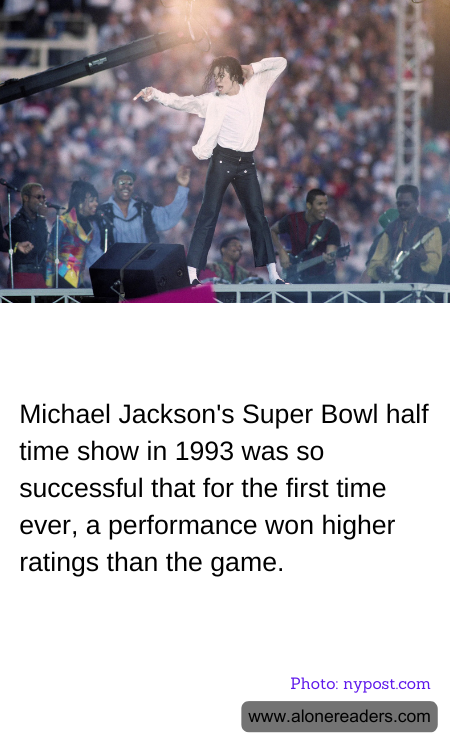
Michael Jackson's Super Bowl XXVII halftime performance in 1993 is widely regarded as a pivotal moment in the history of live television broadcasts. It wasn't just a concert intermission during a sporting event; it was a transformative spectacle that reshaped the future of Super Bowl halftime shows and, indeed, live event expectations altogether. Before Jackson's appearance, Super Bowl halftime shows primarily consisted of marching bands and novelty acts. However, the King of Pop's performance at the Rose Bowl in Pasadena, California, set a new standard by turning these shows into a highly anticipated broadcast that could rival the game itself.
Jackson's decision to perform during the Super Bowl stemmed largely from his desire to promote his "Heal the World" Foundation. The show began with the singer catapulting onto the stage, where he paused in a statuesque pose for several suspenseful moments before breaking into his hits "Billie Jean," "Black or White," and "We Are the World," mesmerizing the audience with his signature dance moves. The performance concluded with a choir of 3,500 local Los Angeles children singing "Heal the World," promoting a message of peace and unity.
The spectacle was an unprecedented success, setting a new precedent for halftime shows as must-see TV events. Michael Jackson's performance drew an estimated 133.4 million viewers, and Nielsen ratings indicated that more people tuned in for the halftime show than the game itself, a phenomenon not previously recorded. This remarkable feat demonstrated Jackson's incredible drawing power and set the stage for future Super Bowls to feature other high-profile music acts, effectively changing the landscape of Super Bowl halftime entertainment.
Jackson's 1993 halftime show not only pushed the boundaries of what could be done during a Super Bowl interlude but also helped to catapult the Super Bowl into an even greater level of cultural significance. It elevated the halftime show from simple game break entertainment to a standalone spectacle that sometimes rivaled the excitement of the game itself. For viewers and performers alike, Michael Jackson's Super Bowl stint will forever remain a historic moment in live performance history.
