More About This Card
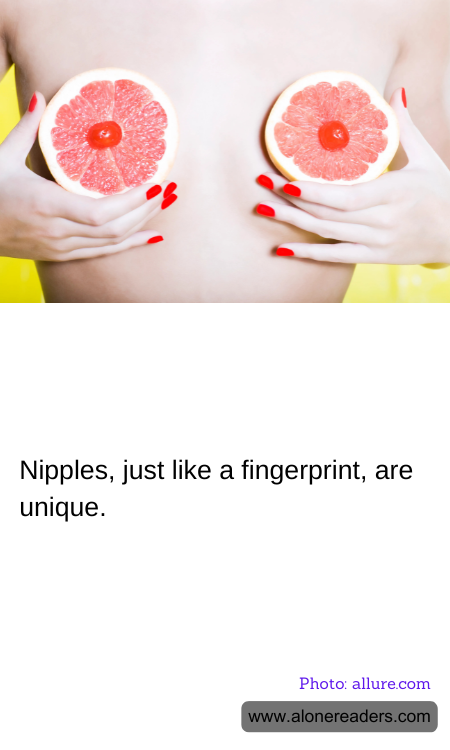
Nipples, those small protuberances on the human chest, are as unique as fingerprints. Each person's nipples differ not only in appearance but also in sensitivity and other characteristics. This uniqueness is rooted in the complex interplay of genetics, hormonal influences, and environmental factors that contribute to their development even before birth.
The variety in nipple size, shape, color, and texture is astonishing. Some are flat, others protruded, and still others might be inverted. Colors range from light pink to dark brown, influenced largely by skin tone and hormonal changes, which can also cause the areola, the darker circle of skin around the nipple, to change in size and color. Even among the same individual, the two nipples can be asymmetrical or vary slightly in appearance.
Beyond their biological and aesthetic variations, nipples play a significant role in human physiology and sensory experience. They are highly innervated, making them one of the most sensitive areas of the body. This sensitivity plays a crucial role during breastfeeding, helping mothers to bond with their babies through the release of oxytocin, often referred to as the love hormone. For many, they are also an erogenous zone, contributing to sexual arousal and pleasure.
The uniqueness of nipples goes beyond mere physical characteristics; it extends into their psychological and cultural perceptions. Societally, nipples are often sexualized, but they also carry a strong maternal connotation, straddling the line between public decency and natural biological function. This duality can lead to controversies and debates, particularly around issues like breastfeeding in public and female nipple censorship in media and online platforms.
Understanding and appreciating the uniqueness of nipples can contribute to a broader acceptance of body diversity and help combat the stigmatization of natural bodily functions. Just like fingerprints, the individuality of nipples is a testament to human diversity, reminding us of our unique identities in the world of biology and beyond.