More About This Card
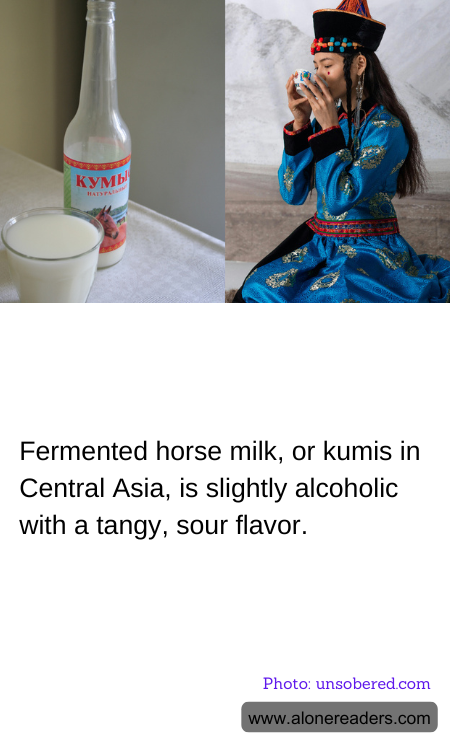
Fermented horse milk, known as kumis, is a traditional beverage that boasts a longstanding history in Central Asia, particularly among nomadic cultures in countries like Mongolia, Kazakhstan, and Kyrgyzstan. Made from mare's milk, kumis carries a unique, slightly alcoholic content with a tangy, sour taste that distinguishes it from other dairy products.
The process of making kumis involves fermenting fresh mare's milk over a period of several hours to a few days. This fermentation is facilitated by lactic acid bacteria and yeast that are naturally present in the milk. These microorganisms consume the sugars in the milk, primarily lactose, and convert them into lactic acid, ethanol, and carbon dioxide, which results in the characteristic sour taste and mild fizziness of the beverage.
Kumis has a lower alcohol content compared to other fermented drinks like beer or wine, typically ranging from 0.7% to 2.5%. This mild alcohol level makes kumis a popular everyday drink among the nomadic people, often consumed in large quantities to quench thirst and provide a nutritional boost. The drink is also believed to possess various health benefits, including aiding in digestion and boosting the immune system due to its probiotics content.
Traditionally, kumis is served cold and is often enjoyed in social settings, playing a central role in hospitality and cultural ceremonies. Its production and consumption continue to be a symbol of pride and cultural heritage among the Central Asian nomads. In recent times, kumis has also garnered interest outside of its traditional context as a niche dietary product in global markets, appealing to those seeking natural probiotic alternatives.
Despite its wider recognition, the authentic taste and quality of kumis are deeply tied to its traditional methods of production, which rely heavily on the natural environment of the steppes and the particular diet of the mares. This makes it a unique cultural artifact, encapsulating the rich nomadic traditions of Central Asia.