More About This Card
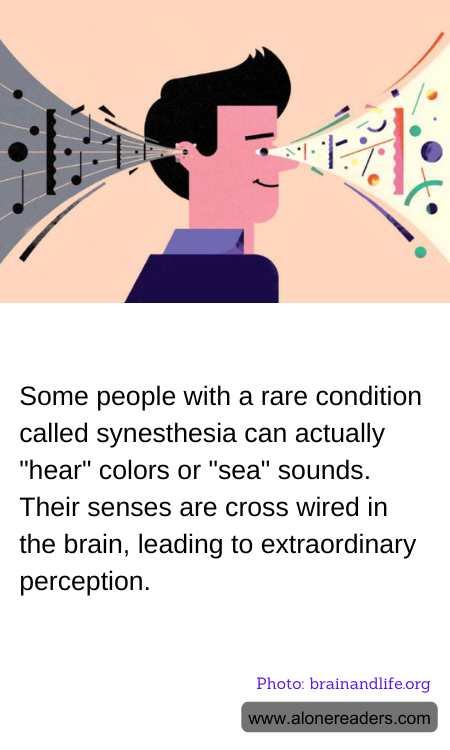
Synesthesia is a fascinating neurological condition where stimulation of one sensory or cognitive pathway leads to involuntary experiences in a second sensory or cognitive pathway. People with synesthesia, known as synesthetes, might experience color when they hear sounds or taste flavors when they see shapes. This unique sensory intertwining is not metaphorical but a real and consistent experience for those who have it.
The most common form of synesthesia involves seeing colors when hearing sounds, known as chromesthesia. For example, a synesthete might see a flash of blue when hearing a piano note or a splash of yellow at the sound of a trumpet. This type of cross-sensory experience can also occur with letters and numbers, a form known as grapheme-color synesthesia, where each letter or number is associated with a color. Beyond these, there are numerous other forms, including those where people might "taste" words or "feel" sounds on their skin.
While the exact causes of synesthesia remain partially understood, research suggests it results from increased connectivity and communication between sensory regions in the brain that are normally more separate in others. It's often thought to be genetic, with several members of the same family potentially experiencing the world synesthetically.
Despite its unusual manifestations, synesthesia is not considered a disorder but rather a variation in human perception that is not uncommon; estimates suggest it could affect up to 4% of the population. Synesthetes often report their experiences as beneficial, indicating that their additional sensory inputs can aid in memory and creativity. Prominent artists, musicians, and writers have been known or speculated to have synesthesia, which may have contributed to their novel sensory perspectives and artistic output.
The study of synesthesia not only helps us understand these extraordinary sensory experiences but also provides broader insights into human perception, brain plasticity, and the neural basis of consciousness. By exploring how synesthetic experiences develop and function, researchers continue to uncover the complex, beautiful ways in which our brains interpret and understand the world around us.