More About This Card
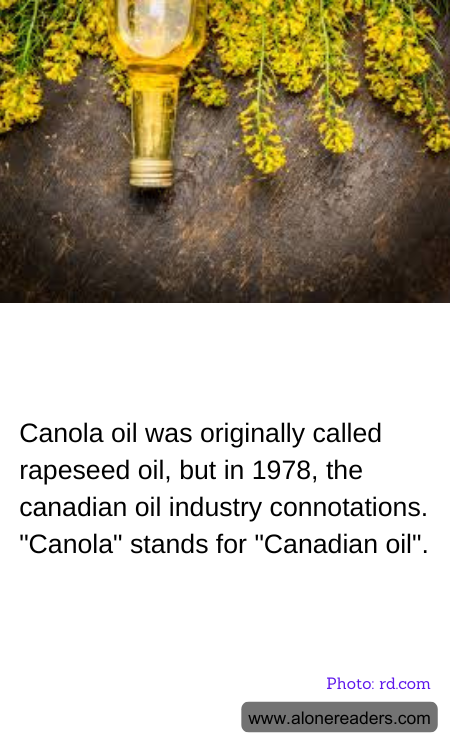
Canola oil, originally known as rapeseed oil, underwent a significant rebranding by the Canadian oil industry in 1978, leading to the name "Canola," which is an acronym for "Canadian Oil, Low Acid." The development was not just a matter of changing the name, but also represented a significant modification of the plant itself. Traditional rapeseed oil contained high levels of erucic acid, which was considered harmful to human health. Canadian scientists used traditional plant breeding methods to create a new variety of rapeseed with low levels of erucic acid and glucosinolates, making it safe for human consumption and more palatable.
The creation of canola oil was a major breakthrough for the agricultural and food industries. It offered a product with a healthier profile—low in saturated fat and high in beneficial omega-3 fatty acids, which are known to help in reducing heart diseases. This not only enhanced its appeal among health-conscious consumers but also broadened its use in the culinary world. Canola oil is known for its light flavor, smooth texture, and a high smoke point, making it a versatile choice for cooking, including frying, baking, and salad dressings.
The rebranding of canola has been one of the most successful in agricultural history, moving away from the negative connotations associated with the word "rapeseed" and towards a more market-friendly identity. Today, canola oil is the third most consumed vegetable oil globally, following soybean and palm oils. Its production primarily occurs in Canada, which remains the world's largest exporter of canola oil, followed by countries including China, India, and European nations where the crop is also grown extensively.
In addition to its culinary uses, canola oil is also employed in various industrial applications, including biofuels, animal feed, and even personal care products, showcasing its versatility. The shift from rapeseed to canola not only represented a triumph of agricultural science but also demonstrated the power of marketing in transforming a product’s image.