More About This Card
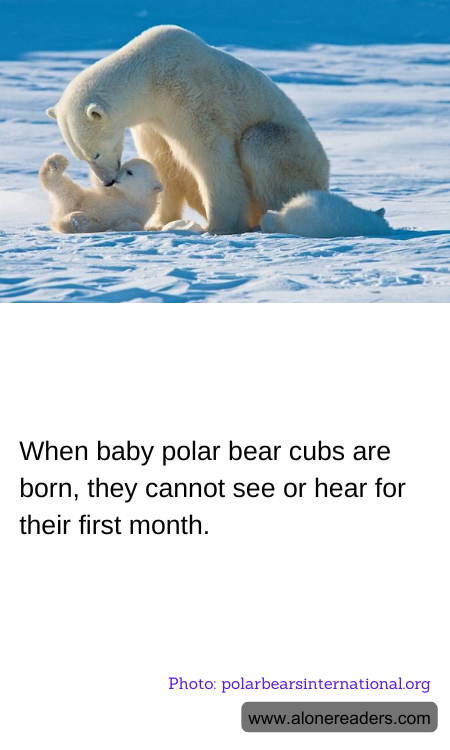
Polar bear cubs experience a vulnerable beginning to their lives, inherent to many species surviving in the harsh Arctic conditions. Born during the winter months in the insulated safety of a snow den, these cubs are incredibly small, weighing little more than a pound. Initially, they are blind and deaf, completely dependent on their mother for warmth and nourishment. This initial stage is critical, as the cubs' survival hinges on developing their senses and gaining strength quickly.
The mother polar bear, who has fasted through her pregnancy, continues to deny herself food, relying solely on her fat reserves to produce rich, fatty milk for her cubs. This milk is essential for the cubs and allows them to grow rapidly, sometimes gaining over two pounds a week. It contains over 30% fat, vital for insulating the cubs against the freezing Arctic temperatures. During these initial weeks, the cubs develop their vision and hearing, prepare to venture outside the den, and explore their icy environment for the first time.
This period of development in the den lasts approximately two to three months. By the time they leave the den, the cubs are stronger and more capable of facing the outside world, but they continue to rely heavily on their mother for food and protection from predators. The family typically stays together for about two and a half years, during which time the cubs learn crucial survival skills, including hunting and navigating through the challenging Arctic terrain.
The strategy of birth and early development by seclusion in a den protects the young cubs from the Arctic's extreme elements and predators, giving them a necessary shielded start. This early dependency period forms a strong bond between the mother and her cubs, which is crucial for the cubs’ survival and development. As climate change impacts sea ice habitats, the challenges polar bear cubs face are intensifying, making their initial development and the role of the mother even more vital for the continuation of the species in an ever-changing Arctic environment.