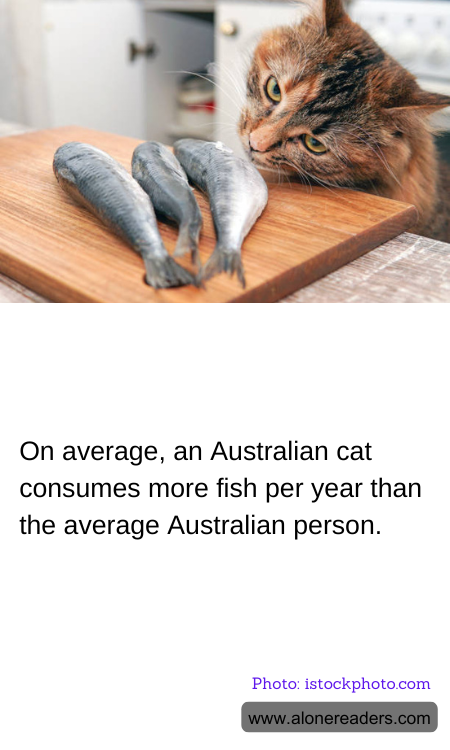
In an intriguing comparison between the diets of Australian cats and their human counterparts, it emerges that felines in Australia, on average, consume more fish annually than the average Australian. This phenomenon can be attributed to several factors, primarily the composition of commercial cat food and the dietary preferences of pet owners for their animals.
Commercial cat food, which forms a significant part of the diet for most domestic cats in Australia, often has a high fish content. Fish is a preferred ingredient in pet food due to its high protein content and palatability for cats. Many cat food brands emphasize fish flavors like salmon, tuna, and mackerel, which are not only appealing to cats but are also rich in essential omega-3 fatty acids that contribute to a healthy coat and overall good health. This reliance on commercially prepared cat food heavily skews the average fish consumption figures in favor of cats.
On the human side, the average Australian's diet is quite diverse, with a significant portion of nutritional intake coming from meats other than fish, such as beef, chicken, and lamb, along with a considerable intake of plant-based foods. While Australia is surrounded by water and has an abundant seafood industry, fish does not necessarily dominate the average Australian's daily diet. The trends in eating habits show a preference for a variety of protein sources, and fish is often consumed less frequently compared to other options.
Moreover, the dietary guidelines and culture play a crucial role. Australians are encouraged to diversify their protein sources to include not only seafood but also other meats, legumes, and nuts. This dietary diversity further dilutes the proportion of fish in the average diet. Additionally, factors such as price, availability, and personal dietary choices, including the increasing popularity of vegetarian and vegan lifestyles, influence fish consumption among humans.
In contrast, cats do not partake in such dietary diversities and are typically presented with more consistent food choices heavily leaning towards fish, driven by the pet food industry's standards and the nutritional needs of the animal. This consistent, fish-heavy diet results in higher fish consumption per capita among cats compared to their human counterparts.
Thus, while it might seem unusual at first glance that cats in Australia consume more fish than humans, a deeper dive into the components of diet and consumer behavior reveals clear reasons behind this disparity. This information not only underscores the distinct dietary patterns between species but also highlights the specialized nature of pet food production that caters to the unique nutritional needs of domestic animals.
