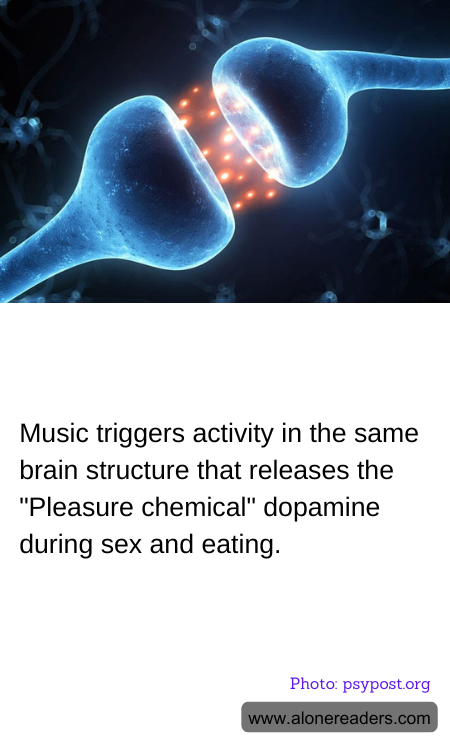
Music has a profound impact on our emotions and feelings, influencing everything from our mood to our memories. One of the key reasons music can affect us so deeply lies in its ability to engage the brain's reward system, particularly through the activation of a chemical known as dopamine. Dopamine is often referred to as the "pleasure chemical" because it plays a significant role in the experience of pleasure and reward.
The brain structure primarily involved in the release of dopamine in response to music is the striatum. The striatum is a critical component of the reward system and is also activated by other pleasurable activities such as eating and sexual activity. This suggests that listening to music can be as fundamentally rewarding and pleasurable as these other vital human experiences.
When we listen to a piece of music that we enjoy, the striatum and other parts of the reward system are activated, releasing dopamine. This release provides a feeling of euphoria and pleasure, similar to the feeling one gets from eating a favorite food or experiencing an intimate moment. The intensity of the response can vary depending on a number of factors such as personal taste, familiarity with the music, and even the context in which the music is heard.
Research in this area often uses brain imaging techniques to observe which areas of the brain are active while individuals listen to music that they find enjoyable. These studies consistently show that peak emotional moments in music are associated with significant dopamine release. This neurochemical response can also explain why music is so effective in therapeutic settings, helping manage emotions, reducing stress, and mitigating depression.
Furthermore, the anticipatory aspect of music — the build-up to a climactic, enjoyable moment in a piece — also plays a crucial role in dopamine release. This is akin to the anticipation of the taste of food or sexual contact. In music, this can be compared to the tension and release found in musical compositions, where the progression towards a powerful chorus or a dynamic peak holds listeners in emotional suspense.
Overall, the interaction between music and the brain's reward circuits underscores music's universal appeal and its potent emotional impact. The ability of music to stimulate the same areas of the brain as other enjoyable activities like sex and eating not only explains our natural attraction to music but also the powerful, often indescribable feelings that it can evoke.
