More About This Card
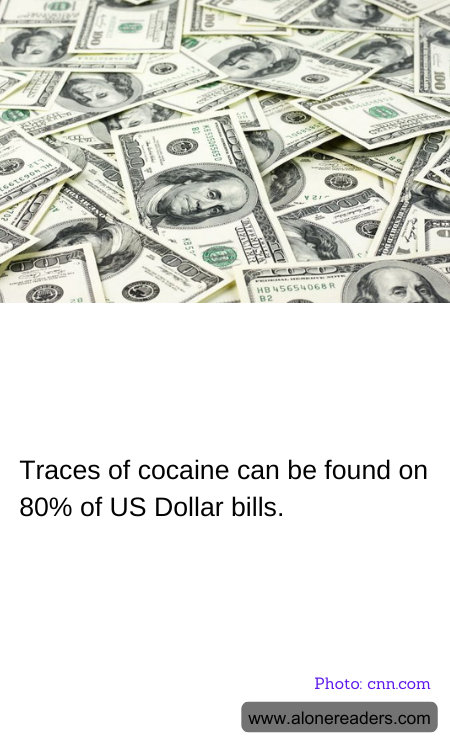
The presence of cocaine on U.S. dollar bills is a well-documented phenomenon that highlights the widespread use and handling of this illicit substance. Studies over the years have revealed that a significant percentage of U.S. currency carries microscopic traces of cocaine. In fact, various forensic tests suggest that as many as 80% of bills in circulation could be contaminated.
This contamination typically occurs when bills are used to snort cocaine—a common method of consumption wherein the fine powder is inhaled through a rolled banknote. The fibers of the paper currency catch and hold onto the drug, and once contaminated, these bills can transfer cocaine particles to other bills they come into contact with in wallets, cash registers, or bank vaults. The degree of contamination can vary depending on geographical location and other factors, with urban areas and cities closer to drug import zones typically showing higher rates.
The implications of this are multifaceted. From a legal perspective, the omnipresence of narcotic residues raises interesting questions regarding drug possession laws. Though the amounts found on money are minuscule, the sheer ubiquity of traces has led some legal systems to reassess how they regard and test for possession of controlled substances.
From a health standpoint, while the trace amounts of cocaine found on bills are not typically considered harmful, they could pose risks in scenarios involving porous skin or accidental ingestion, though such cases are extremely rare. Financial institutions and others who handle large volumes of cash may also consider the implications for their employees, though again, the health risks are considered very low.
Overall, the cocaine trace on dollar bills is a small but stark reminder of the pervasive nature of drug use and the complex web of interactions that connect legal and illegal economies. This phenomenon serves as an indirect indicator of drug circulation within society, pointing to broader societal issues that require attention from policymakers and law enforcement. However, for most individuals, the practical direct impact of this fact is negligible.