More About This Card
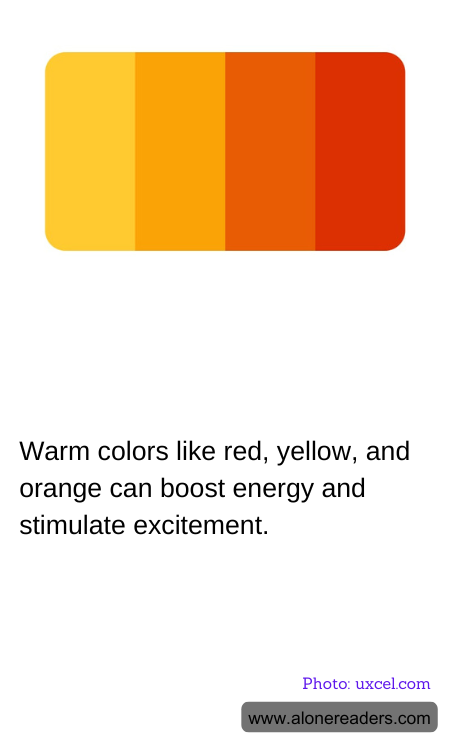
Warm colors such as red, yellow, and orange play a significant role in color psychology, influencing mood and behavior in various environments. These colors are often associated with warmth and sunlight, evoking feelings of coziness, warmth, and comfort. They are also known for their ability to stimulate energy, increase enthusiasm, and promote excitement.
Red, the most intense of the warm colors, is often used to capture attention and provoke strong emotions. This color can elevate the body's metabolism, increasing heart rate and respiration, thus, creating a sense of urgency or heightened awareness. This is why red is frequently used in marketing materials and 'call to action' buttons on websites; it draws attention and encourages users to respond.
Yellow, the brightest color perceptible to the human eye, is synonymous with cheerfulness and stimulation. It can create feelings of optimism and energy. In spaces like kitchens or offices, yellow can help to invigorate the mind, fostering an environment of creativity and mental clarity. However, in large doses or the wrong shades, yellow may also lead to feelings of frustration or anger, demonstrating the complex effects colors can have on an individual’s emotions.
Orange combines the intensity of red with the cheerfulness of yellow, making it a color of motivation that promotes a sense of general wellness and emotional energy that should be shared. It is considered more balanced and less overpowering than red, making it a great choice for encouraging socialization in living rooms and dining areas.
These warm colors are not only vital in psychological terms but also in practical applications. In interior design, incorporating these colors can make large, open spaces feel more inviting and cozier. In fitness centers, touches of red and orange can enhance physical performance by increasing energy levels. In educational settings, yellow can help maintain a lively atmosphere that keeps students alert and engaged.
Understanding the impact of these colors can greatly assist in tailoring spaces to desired emotional and behavioral outcomes. Whether designing a logo, planning the color scheme for a home, or choosing an outfit, considering the psychological effects of warm colors can enhance the intended impact of a project or activity. Their proper use can transform environments, influence mood, and drive behaviors in subtle yet profound ways.