More About This Card
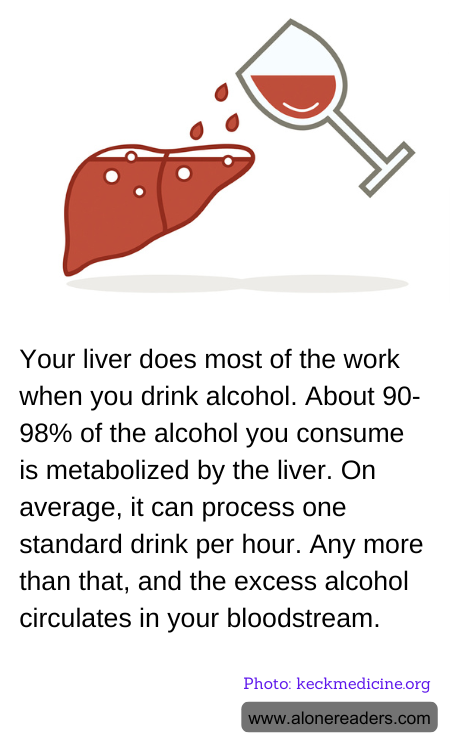
When you consume alcohol, it is primarily your liver that processes it, handling about 90-98% of the alcohol that enters your system. The liver’s ability to metabolize alcohol is limited to approximately one standard drink per hour, which is equivalent to about 14 grams of pure alcohol. This amount roughly translates to a 12-ounce beer, a 5-ounce glass of wine, or a 1.5-ounce shot of distilled spirits, depending on the alcoholic content of each beverage.
The process of metabolizing alcohol involves enzymes in the liver that break down the alcohol so that it can eventually be eliminated from the body. The main enzyme involved is alcohol dehydrogenase (ADH), which converts alcohol into acetaldehyde, a toxic compound that is subsequently broken down into acetate by another enzyme, aldehyde dehydrogenase (ALDH). These byproducts are less harmful and can be excreted from the body. However, when you drink more than your liver can process, the excess alcohol remains in the bloodstream. This is why blood alcohol concentration (BAC) can rise to dangerous levels, leading to intoxication and impairment.
The ability of the liver to process alcohol can vary based on several factors including age, gender, liver health, and whether you have eaten. For example, women typically have lower amounts of the enzyme ADH in the stomach, leading to a higher rate of alcohol absorption into the bloodstream. Additionally, individuals with compromised liver function or liver disease might metabolize alcohol more slowly, leading to higher and more prolonged levels of alcohol in the blood.
Excessive and frequent intake of alcohol can lead to alcoholic liver disease, among other health issues. Conditions such as fatty liver, alcoholic hepatitis, fibrosis, and cirrhosis can develop as a result of long-term alcohol abuse, reflecting the progressive damage to the liver. This underscores the importance of moderation and awareness of one's own limits when consuming alcohol.
Understanding your liver’s role in alcohol metabolism not only helps in making informed choices about drinking but also highlights the critical nature of liver health in overall well-being. Moderation and adherence to recommended guidelines can help maintain liver health and prevent alcohol-related complications.