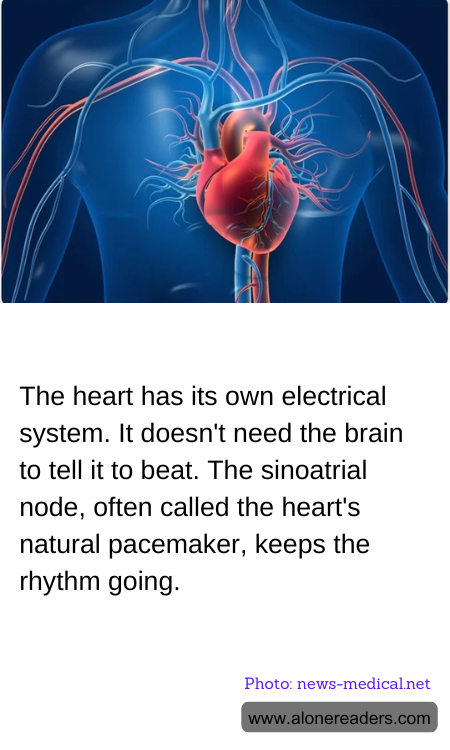
The heart, a vital organ intricately designed to sustain life, operates with a remarkable degree of autonomy due to its unique electrical system. Unlike most muscles in the body, the heart doesn’t require signals from the brain to function continuously. At the core of this system is the sinoatrial node (SA node), often referred to as the natural pacemaker of the heart. Located in the right atrium, this small cluster of cells generates electrical impulses that initiate the heart's beating, ensuring blood is pumped consistently throughout the body.
These electrical impulses produced by the SA node spread through the walls of the atria, causing them to contract and push blood into the ventricles. The impulses then reach another critical part of the heart’s electrical system, the atrioventricular node (AV node). Located between the atria and ventricles, the AV node acts as a gatekeeper, slightly delaying the transmission of the electrical signal. This delay allows the ventricles enough time to fill with blood before they contract. Following this, the signal passes along the bundle of His and through the Purkinje fibers that spread within the ventricular walls, prompting the ventricles to contract and eject blood to the lungs and the rest of the body.
This automated pacing capability of the heart ensures a rhythm that adjusts to the varying demands of the body during different activities, such as sleep or exercise. The rate and rhythm can be influenced by nerves that connect the heart with the brain, which respond to various factors like emotional stress or physical activity. However, the primary control of heartbeat initiation rests within the heart itself through the SA node's intrinsic rhythm.
In cases where the heart’s natural electrical system is disrupted, due to conditions like arrhythmias or heart block, artificial pacemakers may be required to maintain the necessary rate and rhythm for effective blood circulation. These medical devices mimic the action of the SA node, sending electrical impulses to stimulate heartbeats at a fixed or demand-based rate.
Understanding the heart's electrical system not only underscores the sophistication of human physiology but also highlights the critical balance required for health. Advances in medical technology that manipulate this system have continued to improve countless lives affected by cardiac disorders, demonstrating the essential role of bioelectricity in maintaining life.
