More About This Card
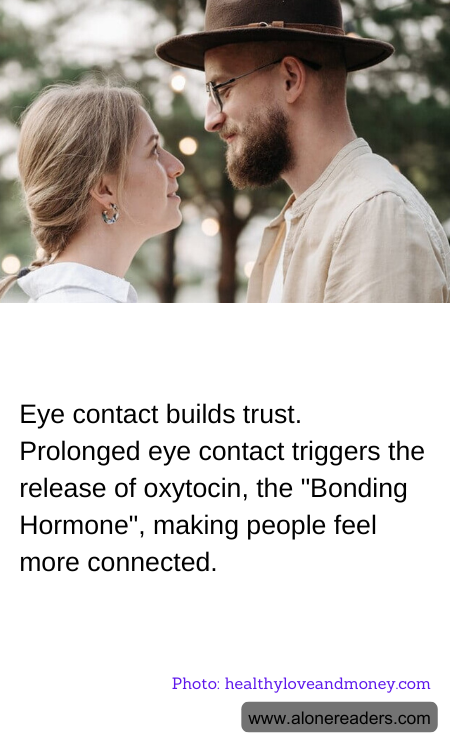
Eye contact is not just a fundamental aspect of face-to-face communication; it plays a crucial role in building trust and emotional connection between individuals. When people look into each other’s eyes, it can significantly deepen the sense of intimacy and understanding in an interaction. The science behind this phenomenon is linked to the release of oxytocin, often referred to as the "bonding hormone." Oxytocin is involved in social recognition and bonding and is known for its role in nurturing behaviors and relationships.
Prolonged eye contact triggers the production of oxytocin in the brain, enhancing feelings of mutual trust and connectedness. This release can lead to a greater sense of empathy and cooperation, which is vital in establishing and maintaining personal and professional relationships. In professional contexts, eye contact is perceived as a sign of confidence and reliability, encouraging a transparent and effective communication environment. Similarly, in personal encounters, maintaining eye contact can convey sincerity, affection, and commitment.
However, the impact of eye contact can vary across different cultures and individual preferences. In some cultures, intense or prolonged eye contact may be considered disrespectful or confrontational, whereas, in others, it is a sign of respect and attentiveness. Additionally, individuals on the autism spectrum or those with certain social anxieties might find prolonged eye contact to be uncomfortable or overwhelming. Therefore, it's important to be sensitive to these differences and adapt one's behavior accordingly.
Understanding the power of eye contact can significantly improve interpersonal interactions. By effectively using eye contact, one can create a more empathetic and conducive environment for open communication, enhancing both personal bonds and professional alliances. This small yet potent tool can be a keystone in building stronger, more connected relationships.