More About This Card
Curry was introduced to Japan in the late 19th century during the Meiji Era, a period when Japan ended over two centuries of self-imposed isolation and began to embrace Western culture and technology. The conduit for curry's introduction was the British, who had adopted curry from their Indian colony and popularized it back in Britain. Japanese naval officers, who were exposed to British naval practices and cuisine during their studies abroad, brought the dish back to Japan.
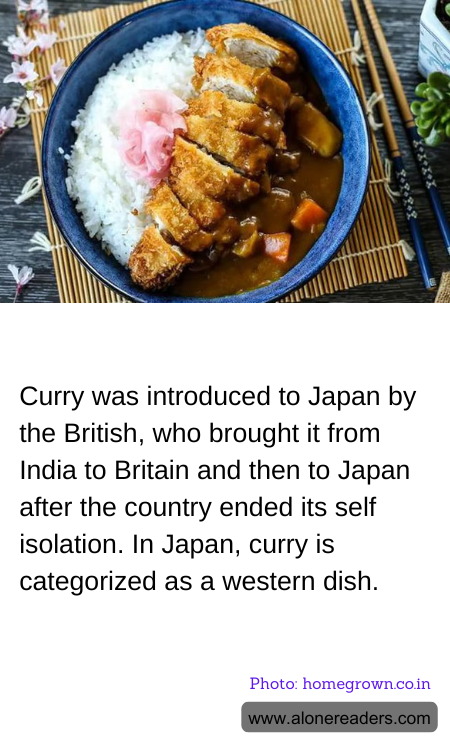
The Japanese version of curry, known as "kare," has since undergone significant transformation to adapt to local tastes. Unlike typical Indian curries, which are often known for their heavy spices and heat, Japanese curry is thicker, milder, and sweeter. The key ingredients include onions, carrots, potatoes, and sometimes apples, which add an unexpected sweetness. Typically served over rice, Japanese curry might also accompany noodles or be used as a filling in bread.
Despite its foreign origins, curry in Japan is considered a "western dish." This categorization reflects historical perceptions; foods introduced from abroad during the Meiji and later periods were often labeled as "Western," regardless of their actual geographic origin. Curry quickly became popular across Japan and is now a staple in Japanese cuisine, enjoyed by people of all ages.
Japanese curry is not only prevalent in home cooking but is also a common offering in cafeterias and restaurants. Specialized curry restaurants and chain establishments dedicate their menus to varying styles of curry, presenting numerous regional interpretations and innovations. Packaged curry sauces and curry roux blocks allow for quick preparation at home, demonstrating the deep integration and affection for curry within Japanese food culture.
Remarkably, curry has become so beloved in Japan that it transcends mere culinary status; it is a comfort food deeply ingrained in the national cuisine and culture. Annual curry festivals, cooking competitions, and even curry-themed amusement park attractions testify to its popularity and the unique niche it occupies in the Japanese diet.