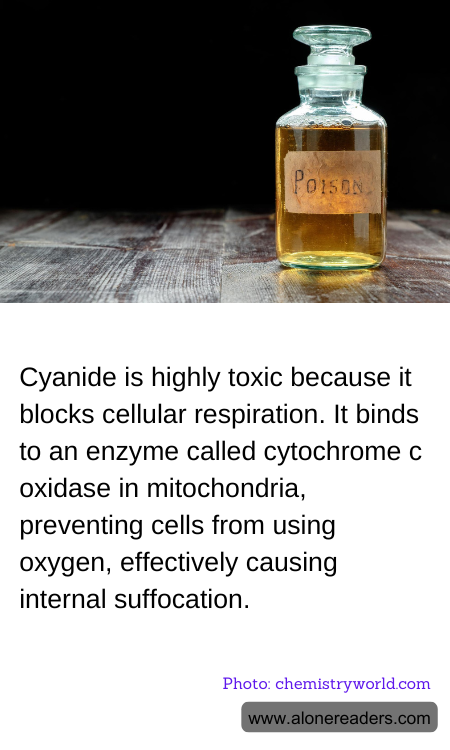
Cyanide, a chemical compound that exists in various forms, both natural and man-made, is notoriously toxic to living organisms, primarily because it interferes critically with cellular respiration. At the heart of cyanide’s lethal action is its effect on the enzyme cytochrome c oxidase, which is essential in the final steps of the respiratory electron transport chain in mitochondria, the energy-producing organelles inside most cellular organisms. By binding to this enzyme, cyanide effectively blocks the use of oxygen by the cell.
Under normal circumstances, cytochrome c oxidase facilitates the transfer of electrons to oxygen, the final electron acceptor, allowing for the synthesis of adenosine triphosphate (ATP), the molecular currency of energy. When cyanide inhibits this crucial step, aerobic respiration halts, and cells are unable to produce ATP. Essentially, the cells are subjected to internal suffocation as they cannot utilize the oxygen available to them, even though it might be abundant in the blood. Consequently, the disruption in ATP production leads to a rapid decline in energy supply, affecting vital organs such as the heart and brain, which are heavily reliant on continuous energy inputs.
The effects of cyanide poisoning are severe and rapid, often proving fatal within minutes due to the cessation of cellular respiration and the resultant lack of energy for maintaining critical bodily functions. Symptoms of cyanide poisoning can include sudden loss of consciousness, seizures, and cardiac arrest, reflecting the rapid cellular and systemic breakdown. Treatment options are limited and focus on rapid administration of specific antidotes that can bind and neutralize cyanide, such as hydroxocobalamin, or chemicals that induce the conversion of hemoglobin to methemoglobin, which can then bind the cyanide away from cytochrome c oxidase.
Given the potent and rapid action of cyanide, its management and neutralization in cases of poisoning are critical and challenging, necessitating immediate medical intervention. Additionally, because of its high toxicity and fast-acting properties, cyanide also raises significant concerns regarding its potential misuse in criminal activities, necessitating stringent regulations and precautions for its handling and disposal. The understanding of how cyanide functions at the cellular level fundamentally underscores the critical balance of biochemical pathways that sustain life and how their disruption can lead to severe, life-threatening consequences.
