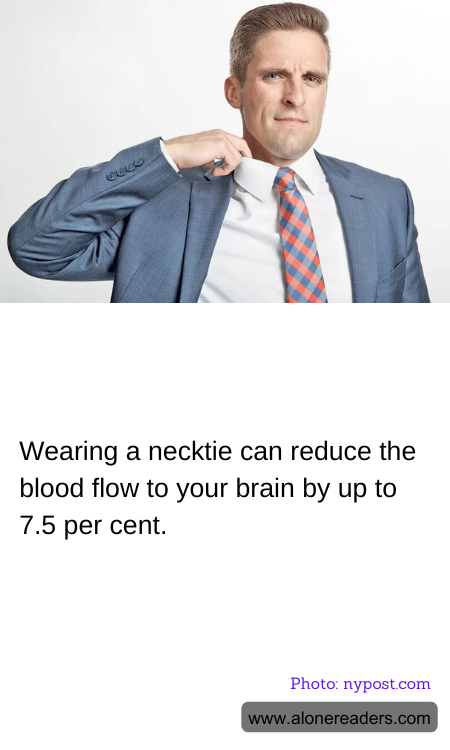
The idea that wearing a necktie might restrict blood flow to the brain is an intriguing notion, casting a potentially concerning light on a common element of professional and formal attire for many. Indeed, some research, including a study published in the journal Neuroradiology, suggests that tightly worn neckties may increase intracranial pressure and slightly decrease cerebral blood flow.
The study utilized MRI scans to demonstrate that in some individuals, a necktie tied too snugly, especially when combined with a tight collar, can decrease blood flow to the brain by as much as 7.5 percent. This decrease, though seemingly small, raises discussions about the subtle impacts of everyday attire on health. The reduction in blood flow was associated with a slight constriction of veins that could potentially inhibit the circulation of blood.
However, it is essential to consider these findings in a broader context. For most people, the decrease, while measurable, is not typically significant enough to cause symptoms or long-term health issues. The impact varies widely depending on individual factors such as the fit of the necktie, the tightness of the collar, and the wearer's physiological characteristics.
Those who might be at more risk are individuals with pre-existing conditions that affect blood flow or cardiovascular health. For the average person, adjusting a necktie to avoid excessive tightness can alleviate any potential risks. The findings highlight a broader lesson that comfort should not be sacrificed for style, reminding wearers to ensure clothing accessories do not constrict movement or circulation excessively.
Thus, while the study provides an interesting insight into how everyday clothing choices might affect physiological functions, the implications for most people are minor. It underscores the importance of wearing attire appropriately fitted and adjusted to balance professionalism and health. For employers and institutions that enforce dress codes requiring neckties, these findings could be a prompt to reevaluate such guidelines, ensuring they allow options for comfort and safety without compromising on professional appearance.
