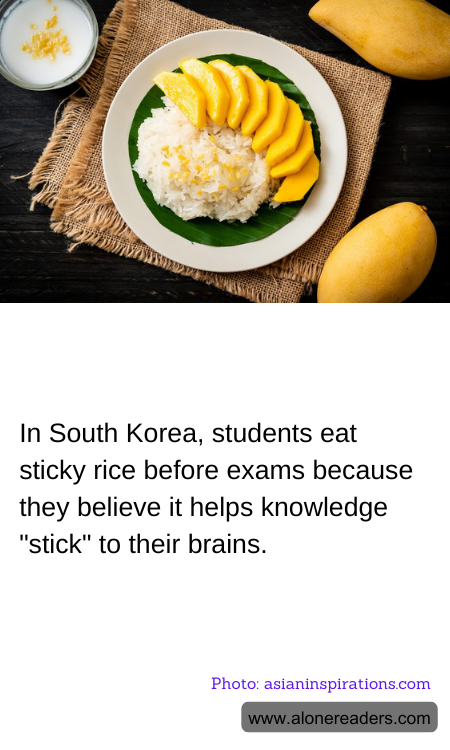
In South Korea, a country celebrated for its rigorous academic environment, students often engage in a unique tradition believed to boost their mental acuity during exams. They consume sticky rice, a staple in Korean cuisine, with the hope that it will help knowledge “stick” to their brains. This practice is deeply entrenched in the cultural fabric of South Korea, where education is highly valued and academic success can significantly influence one's social status and career prospects.
The idea behind eating sticky rice is symbolic, linking the physical properties of the glutinous rice, which is particularly sticky, to the mental process of retaining information. Sticky rice, or "chapssal" in Korean, is often prepared as a simple dish or included in popular snacks like "tteok" (rice cakes) which are commonly consumed during study periods. Parents and students alike trust in this tradition, seeing it as a comforting ritual that sets a positive tone for the daunting challenge of examinations.
While there is no scientific evidence directly supporting the idea that eating sticky rice can enhance one's memory retention, the practice underscores the psychological aspect of exam preparation. Engaging in this tradition can instill confidence in students, reducing anxiety and providing a sense of continuity and support from cultural customs. This mental comfort is arguably as important as intellectual preparation, as a calm and positive mindset can critically affect performance during tests.
Furthermore, this custom is a reflection of the broader South Korean ethos that values both education and communal rituals. Sharing a meal of sticky rice before exams not only prepares students mentally but also serves as a bonding activity, reinforcing social ties and offering communal support. This cultural practice is a poignant example of how culinary traditions can intertwine with educational aspirations and community values, adding a layer of cultural identity to the universal challenge of academic testing.
