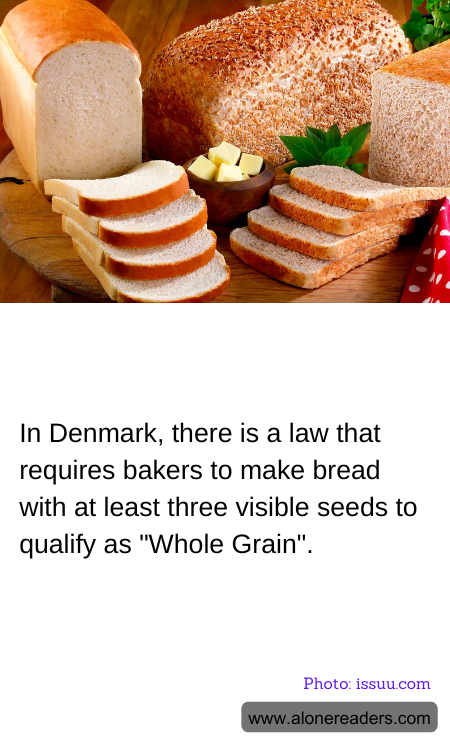
Denmark is known for its progressive food and health regulations, and the law requiring bakers to include at least three visible seeds in bread labeled as "Whole Grain" is a testament to this commitment. This regulation is part of a broader effort to encourage healthier eating habits among the Danish population and to make nutritional content more transparent. Seeds such as sunflower, sesame, and flax are commonly used to meet this requirement, each adding not only visibility but also nutritional benefits such as essential fats, proteins, and fiber.
This law aligns with Denmark’s national dietary guidelines and public health campaigns aimed at combating lifestyle-related diseases like obesity, diabetes, and heart disease. The visibility of the seeds in whole grain bread serves as a direct indicator of nutritional value making it easier for consumers to make informed choices. Additionally, such regulations help in standardizing what can be sold as "whole grain" products in the market, reducing confusion and misleading claims in food labeling.
Furthermore, the effect of this law extends beyond just health. It influences culinary innovation and diversification in bread production. Bakers and bread manufacturers are prompted to experiment with different seed combinations and baking techniques to enhance both the health benefits and the flavors of their products. This not only caters to the health-conscious market but also appeals to food enthusiasts looking for new and interesting products.
Overall, the impact of such regulations is profound, reflecting a national commitment to health that other countries might look to for inspiration. It sheds light on the importance of regulatory bodies in shaping food consumption trends and improving public health through thoughtful and enforceable legislation.
