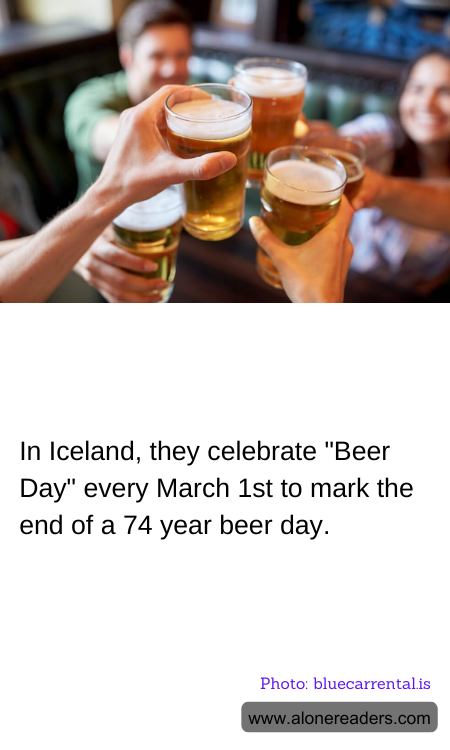
In Iceland, the annual celebration of "Beer Day" or "Bjórdagurinn" on March 1st is more than just an excuse for a pint; it marks a significant historical event in the country’s cultural and legal landscape. The day commemorates the end of a longstanding prohibition on beer, which lasted from 1915 until 1989, making the duration of the ban a staggering 74 years. Interestingly, while prohibition initially banned all alcohol, spirits such as schnapps and vodka were later legalized, leaving beer, particularly those with more than 2.25% alcohol content, outlawed for decades longer.
The prohibition of beer was primarily driven by the nation's temperance movement, which was ironically influenced by Denmark. Icelanders believed beer incited bad behavior and social problems, partly because it was cheaper than spirits and therefore more accessible. On the other hand, advocates for lifting the ban argued that allowing beer would actually help reduce overall alcohol consumption by providing a lighter alternative to hard liquors.
Finally, on March 1, 1989, prohibition came to an end when full-strength beer was legalized once again, thereby reinstating the Icelandic people’s right to brew, sell, and consume beer. The date now holds a place of annual celebration across the country — a cultural and social festivity embraced by both locals and tourists. Bars and pubs offer special deals on beers, new beers are often released to commemorate the date, and Reykjavík, along with other cities, sees an influx of beer enthusiasts enjoying the lively festivities.
Beer Day not only marks a celebration of beer's availability but also highlights the beverage's role in Iceland’s social and economic fabric. It symbolizes freedom and progress and reflects the country's journey from restrictive controls to a more liberalized stance on alcoholic beverages. As Iceland continues to develop a thriving craft beer scene, Beer Day serves as a reminder of the days when such an industry seemed an impossibility. The celebration is not just about the enjoyment of beer, but also about celebrating national identity, historical victories, and societal advancement.
