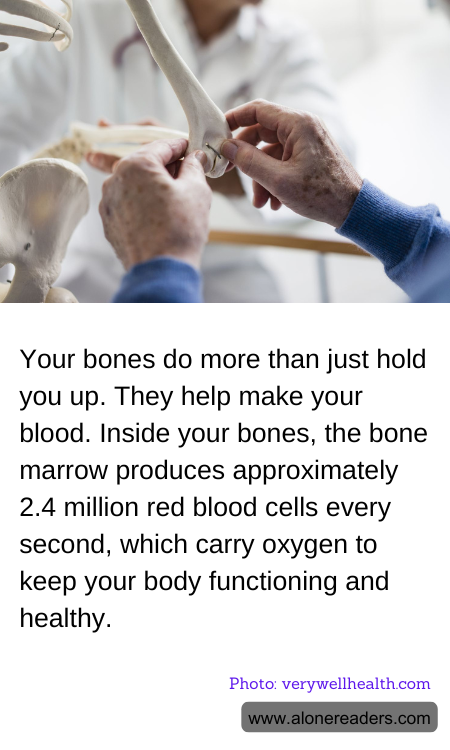
Bones are often recognized merely as the rigid framework that supports and shapes our bodies, but their roles extend far beyond these mechanical functions. Hidden within the hard, mineralized structure of bones is bone marrow, a highly vital and somewhat less understood component of human health. Bone marrow is a spongy tissue found in the hollow interior of bones. It is a key element in the human body's ability to regenerate and maintain the blood cells that are essential for life.
The bone marrow is primarily responsible for hematopoiesis, the complex process of producing blood cells. Every second, the bone marrow generates approximately 2.4 million red blood cells, which illustrates the marrow’s incredible productivity and critical role in maintaining physiological balance. These red blood cells, or erythrocytes, are pivotal to life’s basic functions, carrying oxygen from the lungs to tissues throughout the body and exchanging it for carbon dioxide to be expelled. This process is vital for cellular respiration, the set of metabolic reactions and processes that convert biochemical energy from nutrients into adenosine triphosphate (ATP), and then release waste products.
Furthermore, alongside red blood cells, the bone marrow also produces white blood cells and platelets. White blood cells form part of the immune system, crucial for defending the body against both infectious disease and foreign invaders. Platelets, on the other hand, play a critical role in blood clotting and wound healing, preventing excessive bleeding and facilitating repair following injury.
As vital as bone marrow is in blood cell production and overall health, it can also be the site of serious health disorders, such as leukemia, which is a type of cancer that affects the blood and bone marrow. This highlights not only the importance of bone marrow in routine bodily functions but also its role in significant medical conditions, urging ongoing research and advances in medical treatments that focus on the bone marrow.
Understanding the full role of bones and their marrow can change the way we treat and prevent various conditions, enhancing health and extending life spans. The bone marrow's function exemplifies the complex interconnectivity of body systems and underscores the importance of holistic approaches in science and medicine to fully apprehend and address human health.
