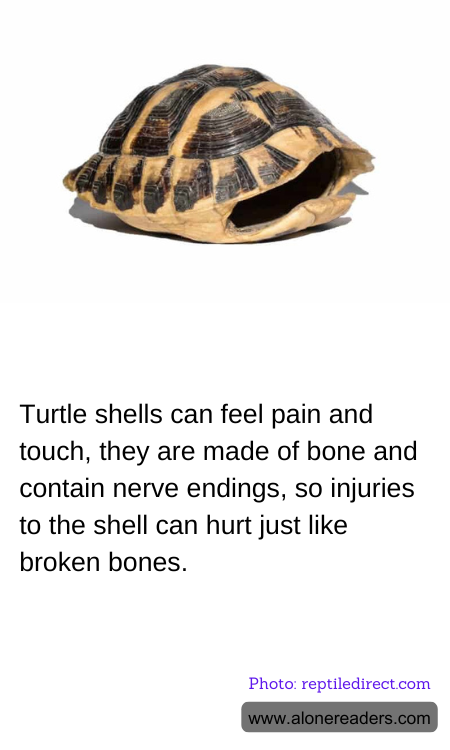
Turtle shells are commonly misunderstood as mere external shields, yet they are far more intricate, serving as a crucial part of the turtle's anatomy. In fact, a turtle's shell is not separate from its body but an integral part of its skeletal structure. It is made up of bone, covered by plates called scutes, which are made of keratin—the same material found in human nails and hair. This unique physiological feature evolves from the rib and spine, indicating how deeply connected it is with the rest of the turtle's body.
Many are surprised to learn that turtle shells are not inanimate armor but are innervated, meaning they have nerve endings. These nerve endings allow turtles to sense touch and feel pain through their shells. Thus, contrary to popular belief, a touch, impact, or injury to the shell can be sensed quite vividly by the turtle. When a turtle’s shell is damaged, it can indeed experience pain similar to how humans feel pain from broken bones. This sensitivity is crucial for the turtle’s survival, as it can detect and respond to dangers in its environment.
Moreover, the nerve supply means that damage to the shell can be a very serious matter, needing appropriate veterinary attention to prevent infection or more severe complications. Healing can be a lengthy process due to the bone structure of the shell, and in some cases, vets use special treatments like bone grafts or employ the use of fiberglass and other materials to mend cracks or breaks.
Given these facts, it's vital for turtle owners and wildlife enthusiasts to handle these creatures with utmost care. The shell should never be drilled into or modified, as this would cause pain and potentially serious injury. Conservation efforts are crucial to protect turtles in the wild, ensuring that their habitats remain safe and free from pollution and human interference, which can damage their shells. The health of a turtle's shell is often a good indicator of its overall health, so a clean, intact shell generally means a healthy turtle.
Thus, understanding that turtles can feel through their shells not only enriches our knowledge of these fascinating creatures but also highlights the importance of treating them with respect and compassion, acknowledging their capacity to sense and feel as much as any other sentient being.
