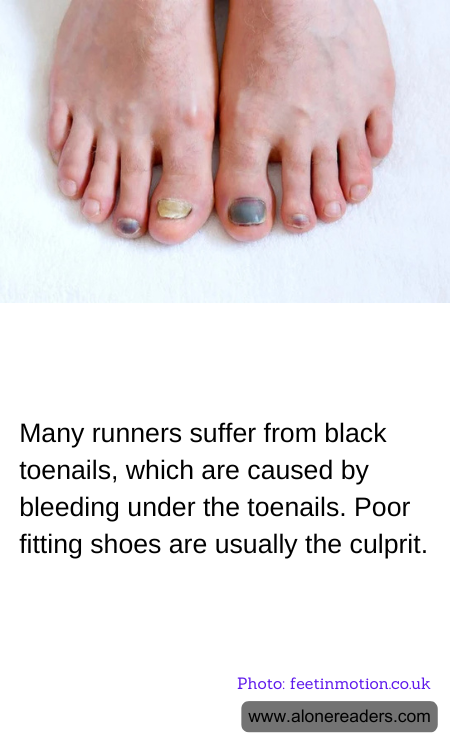
Black toenails in runners, medically known as subungual hematoma, are a common issue that often causes alarm and discomfort among athletes but is typically not serious. The phenomenon occurs when the toes repeatedly hit the front or top of the shoe during long or intense runs, leading to bleeding under the toenail. This repeated trauma causes blood to accumulate beneath the nail, resulting in discoloration ranging from maroon to black.
Ill-fitting shoes are a primary culprit in the development of black toenails. Shoes that are too small, too tight, or that do not provide sufficient toe room can increase the risk of repeated toe impacts. Additionally, downhill running or any extensive stop-and-start activity can exacerbate the stress on the toenails, leading to bruising.
Prevention is key when dealing with black toenails. Choosing the right footwear is critical; running shoes should generally have about a thumb's width of space between the longest toe and the end of the shoe. This space allows for the slight forward movement of the feet that naturally occurs during running, especially on downhill terrains. Moreover, runners should ensure their shoes have good toe width to avoid compression of the toes, and pay attention to the wear and tear of their shoes, replacing them appropriately.
For runners who experience a black toenail, managing the condition involves keeping the nails trimmed, wearing properly fitting shoes, and, if necessary, consulting with a healthcare professional to relieve the pressure under the nail. In some cases, a healthcare provider may perform a procedure to release the accumulated blood and alleviate pain. While black toenails can heal on their own, they often result in the nail eventually falling off, only to be replaced by a new nail growing beneath it.
Certainly, while black toenails are a seemingly small issue, they serve as a crucial reminder of the importance of proper footwear and foot care in maintaining overall foot health and optimal running performance.
