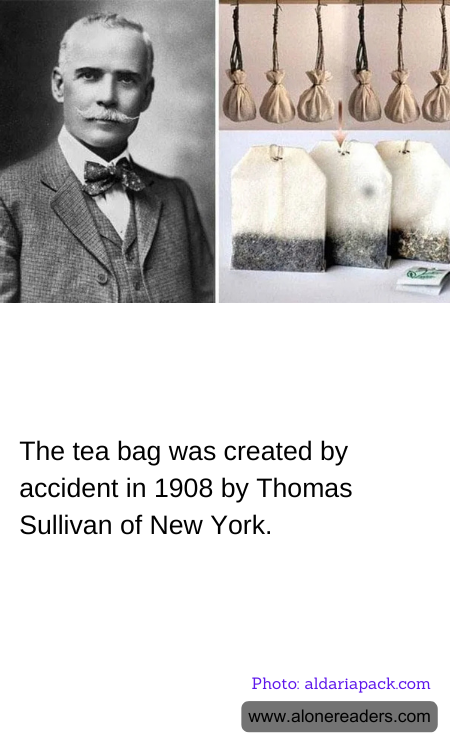
The invention of the tea bag, a staple in kitchens and cafes around the world, was the result of a serendipitous accident that occurred in 1908. Thomas Sullivan, a tea and coffee merchant from New York, was looking for a cost-effective way to send samples of tea to his customers. Instead of sending them in expensive tin boxes, which was the norm at the time, Sullivan decided to send them in small, silk bags to save on shipping costs.
His customers, unfamiliar with this new packaging method, mistakenly steeped the whole bag in hot water, assuming this was the intended method of brewing. To Sullivan's surprise, the feedback on this innovative brewing method was overwhelmingly positive. The convenience of not having to clean up loose tea leaves and the ease of use were highly appreciated by tea drinkers. Sullivan saw an opportunity in this mistake and quickly began to develop and market the first purpose-made tea bags.
He switched from silk to gauze and later to paper as he refined his design. This innovation revolutionized tea drinking, making it more accessible and convenient. The tea bag allowed for a quicker brew and cleaner cup, attributes that were highly valued by the tea-drinking public. Historians often praise Sullivan's accidental invention for democratizing tea consumption, allowing the beverage to be enjoyed by the masses rather than just the elite who had the time and means to brew pots of loose-leaf tea.
Today, the tea bag remains a testament to the impact of innovative, albeit accidental, discoveries in everyday life. Its creation not only transformed the way people consumed tea but also sparked a variety of new beverages and brewing inventions. The tea bag's humble beginnings as a shipping shortcut remind us of the unexpected ways in which convenience can shape consumer habits and propel industries forward.
