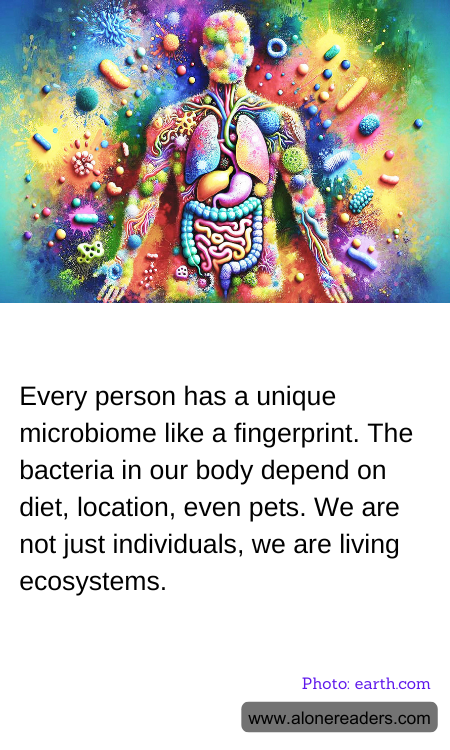
The concept of the human microbiome has revolutionized our understanding of health and biology. Like a fingerprint, every individual hosts a unique microbiome, an intricate network of bacteria, viruses, fungi, and other microorganisms. This complex system plays a crucial role in our digestive processes, immune systems, and even our behaviors and moods.
The composition of our microbiome is influenced by a myriad of factors where diet stands as a significant determinant. The nutrients we ingest can foster the growth of beneficial bacteria or harmful ones, affecting everything from our metabolism to our propensity for diseases like obesity and type 2 diabetes. Location also plays a critical role; people living in different environments are exposed to distinct microbial communities, which can affect the diversity and function of one’s microbiome. For instance, rural populations tend to have more diverse microbiomes compared to urban dwellers, likely due to different levels of exposure to natural environments and varying lifestyles.
Even our interactions with pets can introduce us to new microbial communities. Research shows that pet owners share more similar microbiome features with their pets than non-pet owners, suggesting that these animals can significantly affect the microbial diversity of our home environment and ultimately, our own microbiomes.
These revelations underscore a profound shift in the way scientists view human health. Rather than seeing our bodies as standalone entities, we're now understood to be comprehensive ecosystems. This perspective not only highlights the interconnectedness of life but also fosters a deeper appreciation for the subtle and not-so-subtle ways our environments, choices, and relationships influence our health. It paves the way for more personalized approaches to healthcare, where treatments and preventive measures can be tailored to the unique microbial compositions of individuals, acknowledging each person not just as a collection of symptoms, but as a thriving ecosystem.
