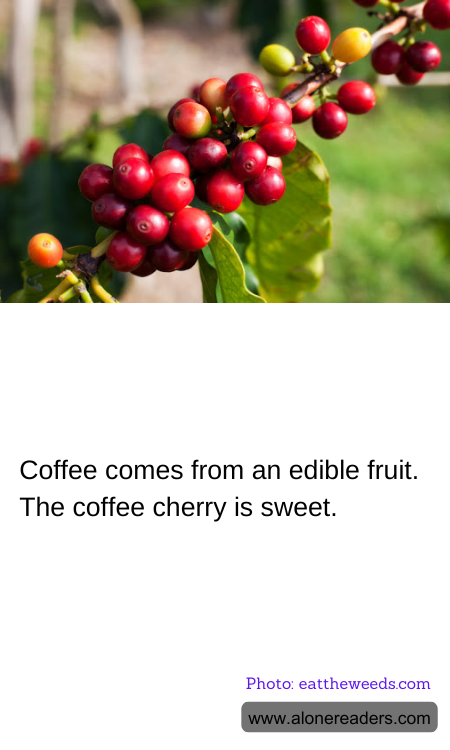
Coffee, one of the world's most beloved beverages, originates from an often-overlooked edible fruit known as the coffee cherry. This small, round fruit is the product of the coffee plant, usually the species Coffea arabica or Coffea canephora (robusta). Contrary to what one might imagine, the coffee cherry itself is quite sweet and bears little resemblance in taste to the bitter, invigorating drink derived from its seeds.
The coffee cherry's structure is simple: it features a thin skin known as the exocarp, beneath which lies the fruity, sweet flesh called the mesocarp. This layer is sticky and mucilage-like, enveloping the coffee beans which are technically the seeds of the fruit. These seeds are encased in a tough, parchment-like envelope known as the endocarp, more commonly referred to as the coffee silverskin.
Upon harvesting, the majority of the cherry is discarded during the coffee production process, as the focus shifts to the beans themselves. These seeds undergo various processing methods which may include washing, fermenting, and roasting, ultimately transforming them into the aromatic coffee beans that people globally grind, brew, and relish. However, the overlooked fruit pulp is not entirely wasted. In some regions, it is converted into a tea-like beverage, cascara, derived from the Spanish word for 'husk'. This drink capitalizes on the fruity characteristics of the cherry, providing a caffeinated beverage that has a flavor profile markedly different from traditional coffee.
In addition to cascara, ongoing innovation in the coffee industry has seen the development of other uses for the coffee cherry, including flour made from dried and ground cherries, and even as an ingredient in energy bars and natural health products. This approach is part of a broader, sustainability-focused trend in agriculture to utilize all parts of plants, reducing waste and maximizing resource use.
The rich, sweet taste of the coffee cherry itself is somewhat of a revelation to those only familiar with the bitter flavor of its roasted seeds. Those experimenting with eating the fruit straight from the plant might find it a delightful, if unusual, alternative to the beverage that rules the mornings of so many around the globe. Indeed, as consumers become more interested in sustainable and whole-food sources of nutrition, the coffee cherry, with its natural sweetness and slight caffeine content, presents an intriguing, underexploited resource. This broader usage invites coffee enthusiasts to not only savor their daily brew but also to explore and appreciate the fuller spectrum of flavors and benefits the coffee plant has to offer.
