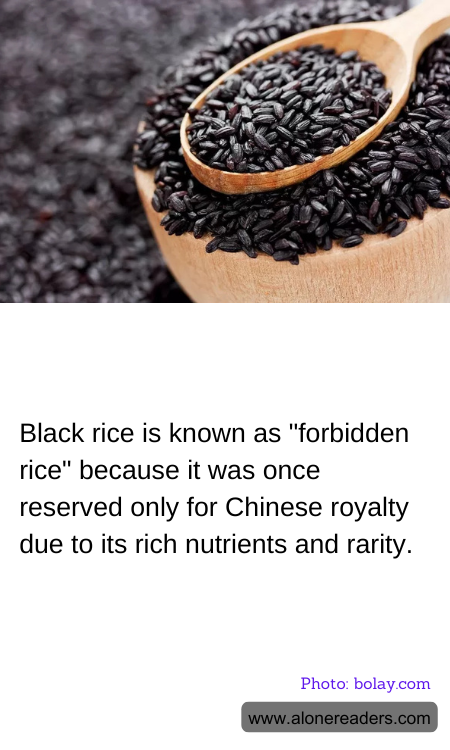
Black rice, often heralded as “forbidden rice,” carries a mystique in its very name, derived from its exclusive availability to the Chinese royalty in ancient times. This rare grain was prized not only for its unique color but also for its nutritional benefits, which were deemed so superior that it was reserved for the emperor’s consumption to ensure his health and longevity. Beyond its exclusivity, the deep black or purple hue of this rice, which cooks down to a rich and inviting dark purple, is due to its high anthocyanin content, the same antioxidant found in deep blue and purple foods like blueberries and blackberries.
Nutritionally, black rice is a powerhouse. It is high in dietary fiber, iron, and vitamin E, which are essential for digestive health, blood formation, and skin health, respectively. Moreover, the presence of antioxidants in black rice helps in combating oxidative stress in the body, which in turn fights inflammation and chronic diseases. This makes black rice not only a nutritious but also a beneficial addition to a healthy diet, supporting everything from cardiovascular health to weight management.
Culinary uses of black rice are as rich as its history. In contemporary kitchens, it’s used in a variety of dishes ranging from exotic desserts to hearty main courses. Its slightly nutty flavor and chewy texture make it an excellent component in salads, sushi rolls, and even in puddings, where it often pairs with coconut milk. The dramatic color of black rice also offers a stunning visual contrast when used alongside other ingredients, making dishes not only flavorful but visually appealing.
As the global culinary scene becomes more integrated and experimental, black rice is surfacing more commonly in supermarkets and on menus beyond Asia, allowing a broader audience to appreciate its benefits. While it is no longer forbidden, the allure of black rice remains, symbolizing a rich history intertwined with its nutritional prowess and gastronomic potential. This increased accessibility encourages its incorporation into modern diets, promoting diversity in grain consumption and a reconnection with ancient, nourishing food sources.
