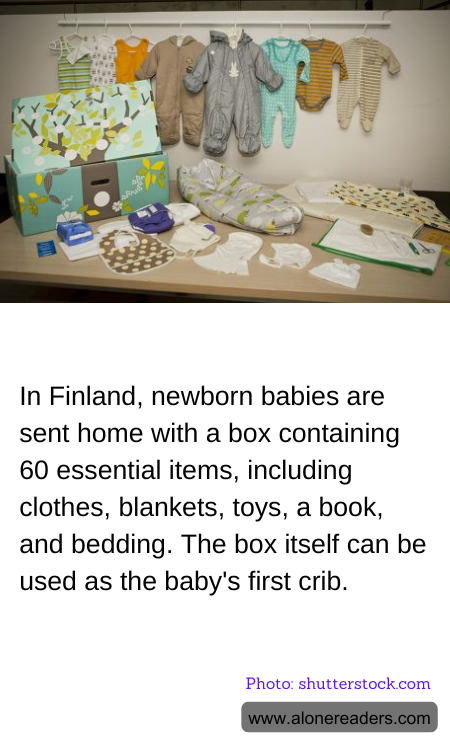
In Finland, the tradition of sending newborn babies home with a "baby box" is a practice deeply embedded in the fabric of society, reflecting the country's commitment to child welfare and equality. This custom dates back to the 1930s and was initially introduced to tackle high infant mortality rates, which at the time were influenced by poverty and lack of access to healthcare. Over the decades, the Finnish baby box has evolved and is now gifted to all families, regardless of income, as a starter kit that levels the playing field for all new lives entering the world.
Named 'äitiyspakkaus' in Finnish, or maternity package, the box contains around 60 essential items required for the first year of a baby's life. These items include a range of clothes suitable for various weather conditions (from snowsuits to light bodysuits), hygiene products, outdoor gear, a sleeping bag, and bedding. Each item is thoughtfully selected to ensure comfort, safety, and practicality. Clothes and textiles in the box are often designed in gender-neutral colors and patterns to ensure they suit any baby and can be reused or passed on to others.
One of the unique aspects of the Finnish baby box is the box itself, which is made from sturdy cardboard. It is designed to serve as the baby's first crib, equipped with a mattress, waterproof cover, and a fitted sheet. This aspect not only underscores the practical Finnish approach to new parenthood but also highlights an ingenious strategy to promote safe sleep practices among infants. Studies suggest that using the box as a sleeping place can contribute to reducing the risk of sudden infant death syndrome, a benefit attributed to the small size of the box, which can help prevent the baby from rolling into risky positions during sleep.
This baby box is more than just a collection of items; it is a symbol of the Finnish government’s proactive approach to encouraging good parenting. Parents are eligible to receive the box if they visit a doctor or a municipal prenatal clinic before the end of the fourth month of pregnancy, thus promoting early prenatal care. The program is universally popular and has been credited with helping Finland achieve one of the world’s lowest infant mortality rates.
Countries around the world, inspired by the Finnish model, have started to implement similar programs, recognizing the value of providing every child with a fair start in life. The Finnish baby box exemplifies a simple yet profound belief in the collective responsibility of society to nurture its youngest members, underscoring the broader societal commitment to welfare and equality.
