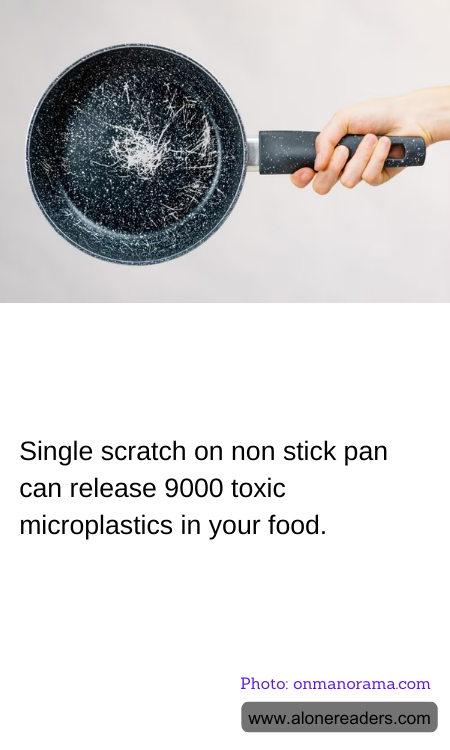
Nonstick cookware, praised for its convenience in the kitchen, might pose risks that extend beyond a simple cooking mishap. A scratch in the non-stick coating is more than cosmetic damage; it can potentially introduce thousands of microplastic particles into your food. When nonstick pans are subjected to regular use, the surfaces can deteriorate, especially if metal utensils or abrasive cleaners are used. This deterioration eventually leads to the flaking of its Teflon coating, which is primarily composed of polytetrafluoroethylene (PTFE).
When these pans are scratched, small particles of the coating can mix into the food being cooked. Researchers suggest that a single scratch could release as many as 9,000 microplastic particles. These particles are incredibly small, often invisible to the naked eye, which means they can easily be ingested unknowingly. Although the direct health implications of consuming such particles from scratched nonstick pans are still under investigation, the potential buildup of plastics in the human body raises valid concerns, particularly regarding long-term health effects.
Moreover, when nonstick pans are heated to high temperatures, the integrity of the nonstick coating can further degrade, potentially releasing toxic chemicals. Perfluorooctanoic acid (PFOA), historically used in the manufacturing of Teflon, has been associated with several health problems, including thyroid disorders, chronic kidney disease, and liver disease. Although PFOA is no longer used in manufacturing, the safety of other compounds found in nonstick coatings continues to be a topic of research and debate.
Given these potential risks, consumers are urged to use nonstick cookware with care. Avoiding metal utensils, not overheating pans, and replacing them when they start to show signs of wear can help minimize the release of microplastics and other potential toxins. There are also alternatives to traditional nonstick pans, such as ceramic cookware or well-seasoned cast iron, which provide non-stick properties without the same risks associated with Teflon. Ultimately, while nonstick pans offer significant culinary convenience, understanding and mitigating the potential risks ensures safer cooking and healthier eating.
