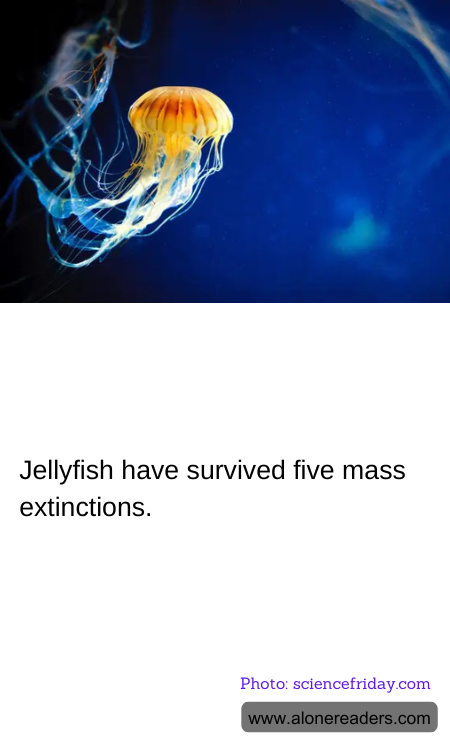
Jellyfish are among Earth’s oldest inhabitants, having roamed the oceans for over 500 million years. This ancient lineage has seen jellyfish survive through dramatic shifts and catastrophic events in Earth's history, including five mass extinctions. Their resilience can be attributed to several unique biological traits and adaptations that offer insights into both their longevity and their ability to thrive in diverse and changing conditions.
One key to their survival is their simple anatomical structure, which minimizes their dependence on specific organs and allows them to live and adapt in a wide range of marine environments. Jellyfish are made up almost entirely of water, with a gelatinous umbrella-shaped bell and trailing tentacles. They lack a complex digestive, respiratory, or circulatory system, which simplifies their maintenance and reduces their vulnerability to environmental disruptions. This simplicity enables them to withstand changes in water temperature, salinity, and oxygen levels more effectively than many other marine species.
Another factor contributing to their endurance through mass extinctions is their reproductive flexibility. Jellyfish have a remarkable ability to switch between asexual and sexual modes of reproduction depending on environmental conditions. This versatility helps them quickly populate and exploit available ecological niches, rebounding quickly in numbers after catastrophic declines. Moreover, certain species can produce dormant cysts that can withstand unfavorable conditions for years, potentially bypassing periods of extreme environmental stress.
Jellyfish also benefit from their role in the marine food web. They are opportunistic feeders that consume a variety of prey, including plankton, small fish, and even other jellyfish, through their stinging tentacles. This flexibility helps them manage changes in prey availability caused by environmental turmoil. Additionally, jellyfish themselves provide a significant food source for a variety of larger predators, including sea turtles and certain species of fish and birds. Their position within the ecosystem makes them critical to the survival and health of various marine species, potentially stabilizing the ecosystem during periods of stress.
Given these characteristics, jellyfish not only survive but can thrive in conditions that drastically alter marine ecosystems. As the Earth faces the possibility of a sixth mass extinction, driven largely by human activities and climate change, the adaptability of jellyfish may once again make them one of the enduring denizens of the world's oceans. This survivability positions jellyfish as both subjects of scientific interest and as indicators of ecological shifts, representing a profound connection between the Earth’s distant past and its uncertain future.
