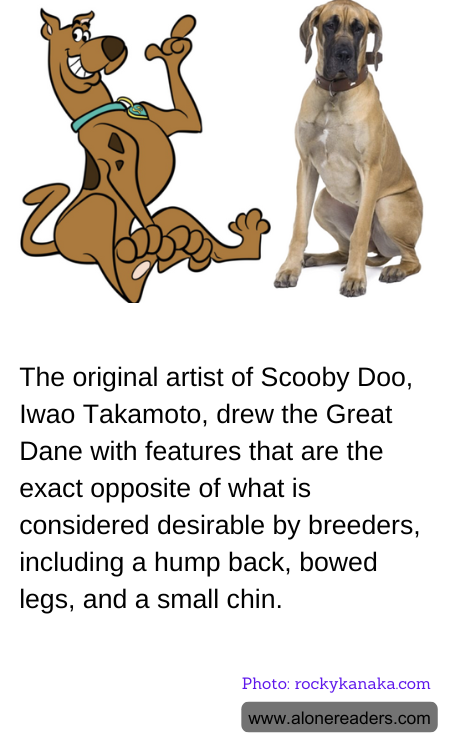
Scooby-Doo, one of the most iconic characters in American television history, owes his unique and slightly quirky appearance to the creative vision of animator Iwao Takamoto. Takamoto, who designed Scooby-Doo, decided to forego the typical breed standards for Great Danes, choosing instead to imbue the character with features considered undesirable by professional breeders. Instead of a straight-backed, regal appearance typical of the breed, Takamoto gave Scooby-Doo a humped back, bowed legs, and a small chin. This creative decision added a distinctive charm and relatability to Scooby's character, underscoring his goofy and lovable persona.
Takamoto's inspiration for these unconventional choices came from an enlightening conversation with a breeder, who described the characteristics of a pedigreed Great Dane. By deliberately choosing to invert these qualities, Takamoto crafted a character who stood out from other cartoon dogs of the time, conveying both endearing awkwardness and a non-intimidating presence. This approachability helped make Scooby-Doo a beloved figure among audiences, effectively capturing the essence of the show’s light-hearted, comedic, and mildly spooky theme.
Since his debut in 1969, Scooby-Doo has become a staple of children's television, leading to numerous TV series, movies, and an extensive range of merchandise. Scooby’s not-quite-perfect appearance has contributed significantly to his enduring appeal, offering viewers a character who is not only entertaining but also easy to love for his imperfections, much in the way people often cherish their own pets with all their idiosyncrasies. Takamoto's unconventional approach to Scooby-Doo's design is a testament to the power of creativity and innovation in character creation, contributing to the longevity and popularity of the franchise.
