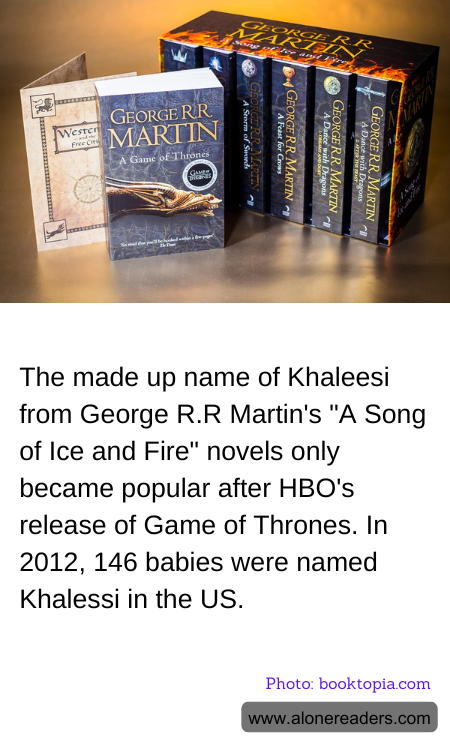
The name "Khaleesi," though not a conventional given name before HBO's adaptation of George R.R. Martin’s "A Song of Ice and Fire," quickly captivated the attention of parents following the debut of "Game of Thrones." The character Daenerys Targaryen, who earns the title Khaleesi – which means queen in the Dothraki language within the series – showcases traits of strength, resilience, and leadership, enchanting viewers and soon-to-be parents. This uptake in popularity is exemplified by the naming statistics; in 2012 alone, 146 babies were named Khaleesi in the United States.
The phenomenon of names from popular culture springing into prominence isn't new, but the rise of Khaleesi is particularly notable given the name's fictional origin and its previously non-existent status in real-world naming conventions. The impact of "Game of Thrones" on naming trends reflects not only the show's widespread appeal but also the profound emotional connections fans made with its characters. The adoption of such a name highlights how stories and media characters can influence personal identity choices in contemporary society.
Moreover, the surge in popularity for the name Khaleesi coincided with an era of internet fandom, where sharing one's life and choices, including children's names, on social media platforms became more prevalent. This trend emphasizes the interplay between media consumption and personal life decisions, illustrating how powerful storytelling can transcend the boundaries of its medium to inspire real-world changes, including the naming of a new generation.
