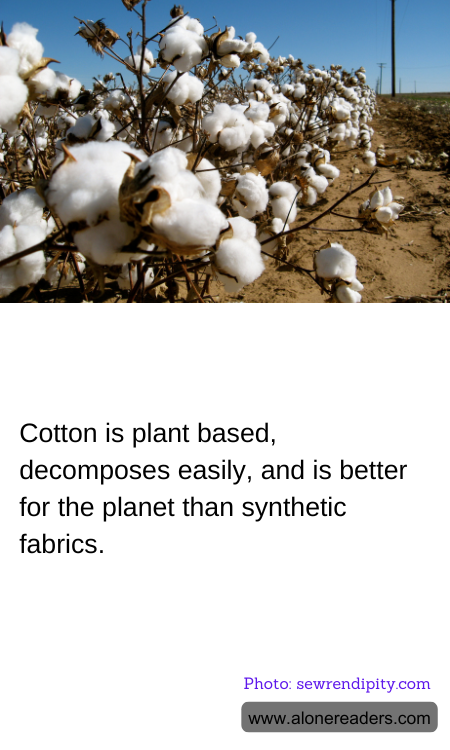
Cotton, a natural, soft fiber that grows around the seeds of cotton plants, boasts numerous environmental advantages over synthetic fabrics. As a plant-based material, cotton is inherently biodegradable, meaning it can decompose into natural elements under the right conditions, without leaving harmful residues behind. This key attribute renders cotton a more eco-friendly choice, as it contributes less to landfill masses and reduces potential pollution compared to non-biodegradable synthetics.
Synthetic fabrics, such as polyester and nylon, are essentially plastics made from petrochemicals and can take hundreds of years to break down. During their decomposition, these materials can release microplastics and toxic substances into the environment, which contributes to soil and marine pollution. Conversely, cotton fibers break down into harmless organic matter, enriching the soil rather than polluting it.
Moreover, cotton's cultivation is poised for sustainable practices. Advances in agricultural techniques, such as the use of reduced water consumption methods, integrated pest management, and organic farming, can significantly lessen cotton production's environmental impact. For instance, organic cotton farming eschews synthetic pesticides and fertilizers, lowering soil and water pollution and helping preserve biodiversity.
Still, it's essential to note that conventional cotton farming can be resource-intensive, often requiring significant amounts of water and chemicals. However, consumer demand and environmental awareness have pivoted the industry towards more sustainable practices, including better crop rotation and the use of non-genetically modified seeds.
To optimize the environmental benefits of using cotton, responsible consumer habits can play a crucial role. Opting for products made from organic or sustainably sourced cotton can drive change in the industry. Moreover, supporting brands that ensure fair trade practices can also enhance the social sustainability of cotton production. By making informed choices, consumers have the power to influence better practices across the cotton industry, further amplifying its environmental benefits over synthetic alternatives. In summary, while no fabric is perfect, cotton offers a renewable, decomposable, and less environmentally taxing option, especially when its production focuses on sustainable and ethical practices.
