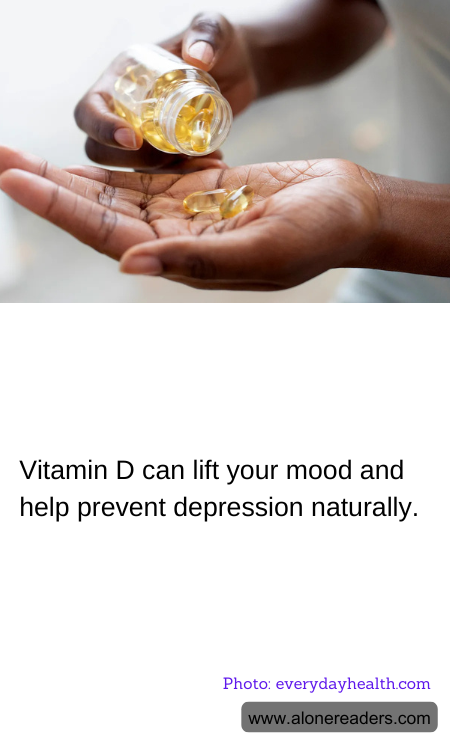
Vitamin D, often referred to as the "sunshine vitamin," plays a crucial role in many bodily functions and has been linked to a range of health benefits, including mood regulation and depression prevention. The relationship between vitamin D and mood is particularly compelling, as the vitamin is involved in the production of serotonin, a neurotransmitter that influences brain function and mood. Serotonin is often known as the "feel-good" hormone, and its levels can have a significant impact on our sense of well-being.
Exposure to sunlight is a major source of vitamin D, which the skin synthesizes upon UVB rays exposure. This process suggests a natural connection between sunlight, vitamin D production, and mood enhancement. Indeed, many people experience a lift in mood during sunnier days, partly due to the increased production of vitamin D. Seasonal Affective Disorder (SAD), a type of depression that occurs at the same time each year, usually in the winter months when there is less sunlight, further underscores the importance of vitamin D. Supplementation during these darker months can mitigate some of the mood declines associated with seasonal changes.
The evidence for vitamin D's role in preventing depression is supported by several epidemiological studies and clinical trials. Research indicates that lower levels of vitamin D are associated with an increased risk of depression. Furthermore, some studies have shown that vitamin D supplementation can contribute to an improvement in depression symptoms in individuals who are vitamin D deficient. This effect is particularly notable in the context of severe depression and in populations that are at high risk for vitamin D deficiency, including elderly individuals and those with limited sunlight exposure.
Moreover, vitamin D is essential for brain health, supporting brain cell growth and new connections, which are vital for cognitive function and emotional health. It affects genes that regulate the immune system and release neurotransmitters that affect brain function and development.
It's important to maintain adequate levels of vitamin D for overall health and to potentially aid in the prevention of depression. This can typically be achieved through a combination of diet, supplements, and sunlight exposure. Foods rich in vitamin D include fatty fish like salmon and mackerel, cheese, and egg yolks. However, it can be difficult to obtain sufficient amounts of vitamin D from diet alone, especially in areas with long winters or for individuals with dietary restrictions, making supplements a valuable tool.
Always consult a health professional before starting any new dietary supplement or making major changes to your lifestyle, especially if you suspect you have depression or another mental health condition. Proper diagnosis and treatment are crucial, and vitamin D supplementation might be part of a broader approach to managing mood disorders.
