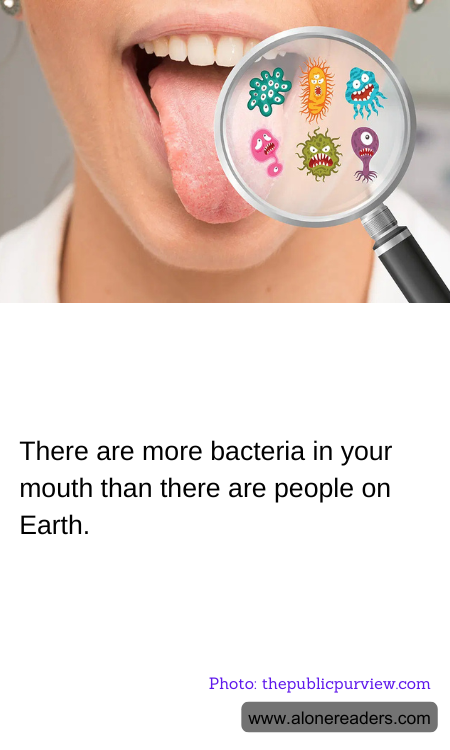
The human mouth is a bustling metropolis for bacteria, with populations that far surpass the number of people on Earth. In fact, it's estimated that each individual's mouth is home to billions of bacteria, residing on every surface, from the teeth and gums to the tongue and cheeks. This fact might sound unsettling, but it's a normal part of the human body's ecosystem, playing a crucial role in our oral and overall health.
These microscopic inhabitants include a variety of species, some of which contribute to the health of our mouth by helping to break down food and inhibit the growth of harmful bacteria. However, not all oral bacteria are beneficial. Some are associated with tooth decay, gum disease, and bad breath. Streptococcus mutans, for example, is a well-known culprit behind cavities. It thrives on sugar from our diet, producing acid that erodes tooth enamel.
Managing this teeming mass of microorganisms involves good oral hygiene practices. Brushing twice a day, flossing, and regular dental check-ups are crucial in controlling the growth of harmful bacteria and maintaining a balanced oral microbiome. Advances in microbiology have also led to more targeted approaches, such as probiotics specifically designed for oral health, which aim to boost the population of beneficial bacteria.
Moreover, recent research has begun to draw connections between oral bacteria and other health issues, such as heart disease, diabetes, and even neurological conditions like Alzheimer’s disease. These studies suggest that the influence of these microscopic organisms extends far beyond the confines of the oral cavity, potentially impacting our overall health.
In summary, while the idea of harboring more bacteria in our mouths than there are people on the planet might seem daunting, these organisms are integral to our health. Understanding and managing them can not only help preserve oral health but potentially have broader implications for our general wellbeing. This intricate balance within our mouths exemplifies the complex interplay between the human body and its microbial inhabitants, highlighting the importance of maintaining oral hygiene not just for the sake of our teeth, but for our entire body.
