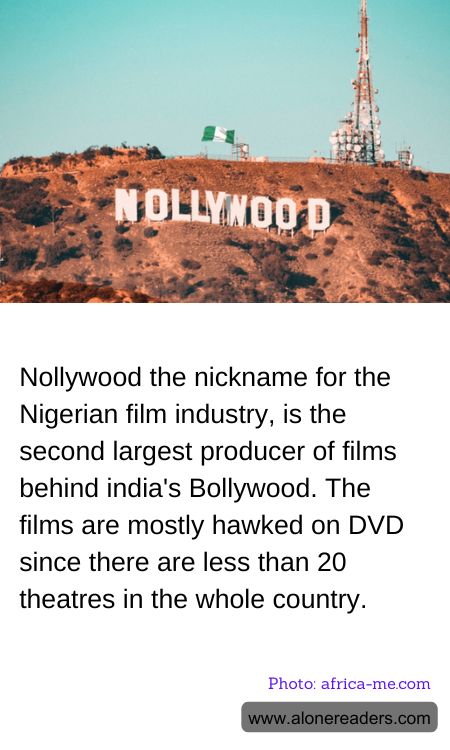
Nollywood, a term that cleverly plays on the globally known Hollywood, is Nigeria’s burgeoning film industry and stands as a monumental component of African culture and entertainment. As the second largest producer of films in the world, surpassing even the United States' Hollywood, Nollywood thrives through a unique model quite distinct from its international counterparts. While India’s Bollywood leads in terms of the number of films produced, Nollywood’s extraordinary output places it firmly on the global cinematic map, despite its relatively young age—having only risen to prominence in the late 20th century.
Producing around 1,000 to 2,000 films each year, Nollywood films are predominantly made on shoestring budgets, frequently costing between $15,000 and $25,000. These films are often shot within a quick timeframe, sometimes just a week or two, reflecting the industry's emphasis on efficient, cost-effective production. This rapid style, however, does not undermine the cultural richness of the stories portrayed, which often dive deeply into themes of family, corruption, poverty, love, and spirituality, resonating strongly with local audiences.
The distribution model of Nollywood also starkly contrasts with more traditional routes seen in other international film markets. With fewer than 20 cinemas across the country, Nollywood primarily relies on direct sales of DVDs and, more recently, digital streaming platforms. This distribution ensures affordability and accessibility, allowing more viewers to access new films from local vendors within markets and on the streets across not just Nigeria but many parts of Africa. Many producers and directors view this model as democratizing filmmaking and film watching, enabling rapid dissemination and high turnover, which sustains the industry's remarkable output.
The global diaspora and rising interest in African narratives have further propelled Nollywood onto the world stage. Streaming services like Netflix have begun investing in and showcasing Nollywood films, broadening the audience base and introducing these culturally rich stories to viewers around the world. This international reach not only celebrates Nigerian culture but also allows for an exchange of artistic ideas and narratives across continents.
The future of Nollywood promises even greater growth as technology improves and more investment flows into the industry. Crucially, this growth must be managed in a way that maintains the unique characteristics of Nollywood: its storytelling, entrepreneurial spirit, and its connection to the everyday lives of Nigerians and Africans at large. These elements are what make Nollywood a pivotal part of not only Nigeria’s cultural identity but also a significant contributor to the global film industry.
