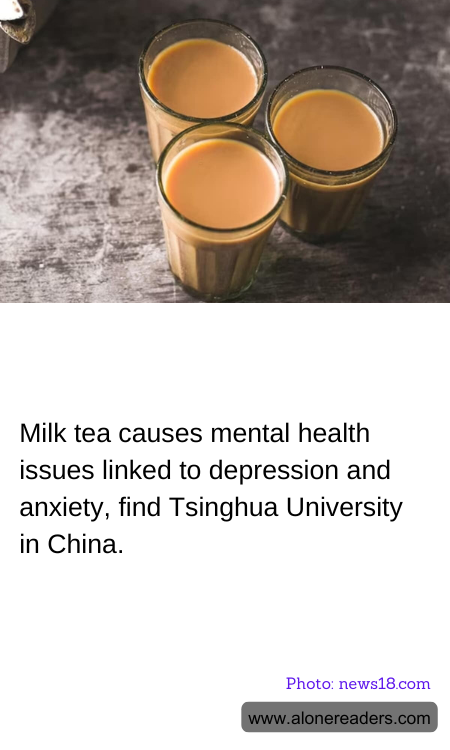
Recent studies from Tsinghua University in China have suggested a potential link between the consumption of milk tea and the exacerbation of mental health issues, primarily depression and anxiety. Milk tea, a popular beverage enjoyed by millions worldwide, typically consists of black or green tea mixed with milk and is often sweetened with sugar. The researchers at Tsinghua University posit that certain components within milk tea could have adverse effects on mental health.
The primary concern revolves around the high sugar content commonly found in commercially available milk teas. Excessive sugar intake has been previously linked with various negative outcomes for mental health. High sugar diets can lead to fluctuations in blood glucose levels, which may cause mood swings and potentially trigger or worsen symptoms of anxiety and depression. Furthermore, the caffeine present in tea can also contribute to increased anxiety, restlessness, and trouble sleeping, especially when consumed in large quantities.
Moreover, the study examines the behavioral patterns associated with frequent milk tea consumption. It suggests that individuals who consume large amounts of milk tea might also engage in other lifestyle habits that could contribute to their mental health issues, such as poor diet choices, sedentary lifestyle, and irregular sleep patterns. This multifactorial situation complicates the direct attribution of mental health issues to milk tea alone; however, the researchers emphasize the cumulative effect of these dietary habits linked with milk tea consumption on overall mental well-being.
Importantly, while this research highlights a significant association, it does not establish a direct causal relationship between milk tea consumption and increased levels of depression and anxiety. The findings suggest the need for further studies to explore the depth of this connection and to consider other contributing factors such as genetic predispositions and existing mental health conditions.
The researchers at Tsinghua University recommend moderation in the consumption of milk tea and suggest that individuals who are predisposed to anxiety and depression or who experience symptoms of these conditions might want to limit their intake of such sugary and caffeinated beverages. This is part of a broader understanding that diet plays a crucial role in mental health, just as it does in physical health. As global consumption of milk tea continues to rise, these findings could have implications for public health advisories and nutritional guidelines.
