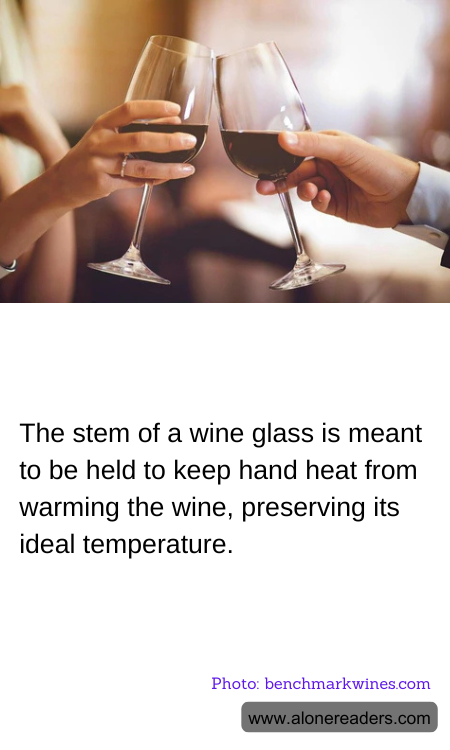
The design of a wine glass is not just about aesthetics; it serves a functional purpose, particularly when it comes to temperature control. The stem of a wine glass plays a crucial role in this regard. Traditionally, wine is best enjoyed when served at the proper temperature. Reds are typically served slightly below room temperature, while whites and sparklings are best chilled. When a wine glass is held by the bowl—the round part that holds the wine—body heat from the hand can transfer to the wine, subtly altering its temperature. This change might seem minimal, but it can significantly affect the wine's flavor and aroma profiles.
Holding the glass by the stem prevents this heat transfer. The stem provides a practical way to handle the glass without affecting the wine's temperature, ensuring that the wine stays closer to its intended serving temperature throughout the time it is being enjoyed. This is particularly important in settings where the glass is held for long periods, such as at social gatherings or events where toasting might be involved.
Moreover, handling the glass by the stem enhances the clarity and purity of the wine's appearance. Touching the bowl can leave fingerprints and smudges, which can obscure the wine's true color—a key characteristic that enthusiasts often appreciate, especially in well-lit environments where the visual aspect of wine tasting is enjoyed. The stem allows wine drinkers to examine the wine's body and color without interference, making the tasting experience more enjoyable and true to form.
This approach to holding a wine glass—by the stem rather than the bowl—is upheld across wine tastings and in instructions offered at vineyards and restaurants. For those new to wine culture, this might seem like a minor etiquette point, but it makes a significant difference in ensuring that each varietal is tasted under optimal conditions. It reflects a deeper understanding and appreciation of wine, emphasizing that the enjoyment of this beverage is influenced not just by the vintage or vineyard, but also by how it is served and handled.
