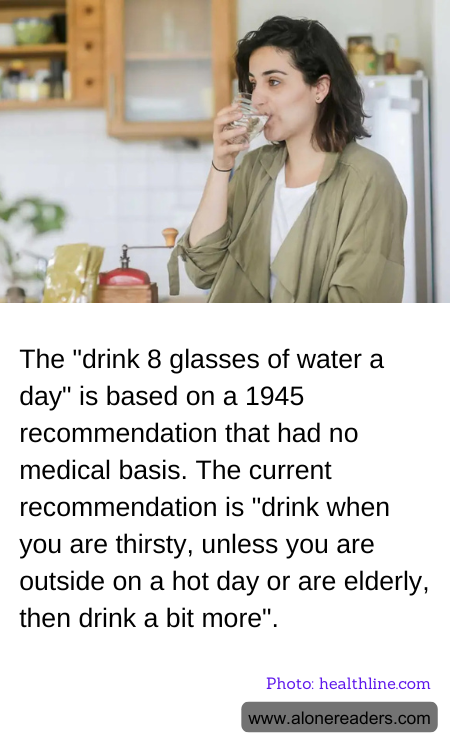
The oft-cited advice to drink eight glasses of water a day originates from a 1945 recommendation by the Food and Nutrition Board of the National Research Council in the United States. This guidance suggested that individuals consume the equivalent of eight glasses of fluid daily but also noted that most of this quantity would come from prepared foods. Over the years, the part about fluids coming from food sources was largely overlooked, leading to the popular belief that eight glasses of straight water per day were necessary for proper hydration.
Recent research and expert opinion suggest that this specific quantity of water might not be necessary for everyone. Instead, hydration needs can vary significantly depending on age, weight, physical activity, health status, and environmental conditions. Modern guidelines generally recommend drinking according to thirst as a primary indicator of the body’s hydration needs. Thirst is a reliable mechanism that our bodies use to signal the need for fluids. However, there are exceptions to this rule, particularly under circumstances that can alter the body's perception of thirst or its hydration requirements.
In situations involving high heat, especially during intense physical activity or in hot climates, sweating increases significantly, which can rapidly deplete the body's water reserves. Under these conditions, it might be advisable to drink more water than usual, and not strictly adhere to the thirst mechanism, as the body can lose fluids faster than the sensation of thirst emerges. Similarly, elderly individuals often experience diminished thirst sensitivity, which can lead to inadequate fluid intake and hydration levels unless they consciously consume more fluids.
Moreover, the composition of the fluids consumed also matters. Water is generally the best choice as it efficiently hydrates without adding calories, sugar, or additives found in many soft drinks or processed beverages. However, other beverages like herbal teas or milk, and even high-water-content foods like fruits and vegetables, can contribute significantly to an individual’s overall fluid intake.
Ultimately, while the old "eight glasses a day" rule may not suit everyone, it's crucial to adopt a tailored approach to hydration that considers personal health and environmental factors, drinking more when needed and always paying attention to one's body signals.
