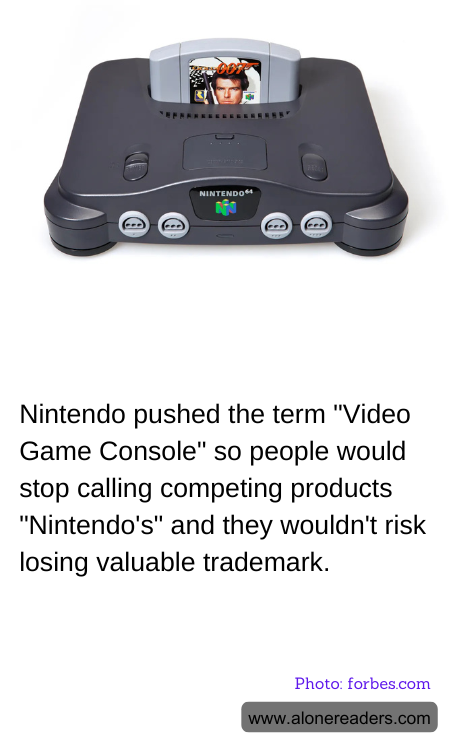
In the competitive landscape of electronic gaming, brand identity is crucial. Nintendo, a pioneer in the video game industry, faced a unique challenge as its name became synonymous with video gaming in general. During the 1980s and 1990s, the term "Nintendo" was colloquially used to refer to any gaming console, regardless of the actual brand. This phenomenon, while initially flattering, represented a potential risk to Nintendo’s trademark.
Trademark dilution occurs when a brand name becomes so commonly used that it loses its distinctiveness and legal protection. Nintendo wisely recognized this potential threat to their brand equity and took proactive measures to safeguard their trademark. Their strategy involved promoting the term "video game console" as a generic descriptor for gaming systems, thereby helping to differentiate their brand from the overall product category.
This move was part of a broader effort to educate the public and enforce the proper use of the Nintendo trademark. The company invested in marketing and legal measures to ensure that their brand was not misused or confused with competitors' products. By emphasizing "Nintendo Entertainment System," "Nintendo GameCube," and "Nintendo Switch" in communications, they reinforced their brand while fostering an environment where other gaming consoles like Sony's PlayStation and Microsoft's Xbox could be recognized on their own merits.
As a result, Nintendo not only protected its trademark but also contributed to a more diverse and competitive market landscape. This foresight helped Nintendo maintain its prominent status in the video game industry and ensured that their brand name continued to be associated exclusively with quality and innovation specific to their products.
