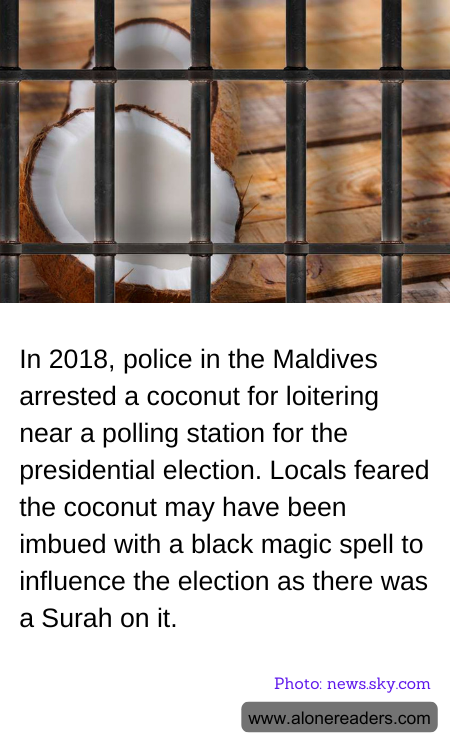
In a peculiar intersection of supernatural beliefs and modern political processes, the 2018 presidential election in the Maldives took an unusual turn when police detained a coconut near a polling station. This incident attracted significant attention, both locally and globally, highlighting the unique cultural contexts in which global democratic exercises occur. The suspicious coconut was reportedly inscribed with a Surah, suggesting it might have been used in a practice of black magic or fanditha, as it is locally known. Such fears were not taken lightly, reflecting a cultural context where traditional beliefs about sorcery and its potential impacts on daily life are still prevalent.
In the Maldives, like in some other island nations, intertwining of folklore, superstition, and everyday activities can sometimes influence public behavior and perceptions profoundly. The act of inscribing religious text on the coconut and placing it near a polling station led to concerns about attempts to unfairly sway voters' opinions or the election's outcome. Police intervention, in this case, was not merely a matter of public disturbance but also an effort to maintain electoral integrity, demonstrating the authorities' responsiveness to both public concern and the broader implications of potential election tampering.
Though it might sound humorous or trivial to outsiders, the incident underscores the complexities of maintaining democratic processes in diverse cultural settings where modern governance meets traditional beliefs. The police’s decision to remove the coconut ensured that the polling station remained a neutral place for voters, free from perceived supernatural influences. This event also serves as a fascinating case study on how diverse global democracies handle unexpected challenges and the lengths to which officials might go to ensure the sanctity of the electoral process is maintained. Such incidents, while odd to the global audience, offer a window into the local practices and the serious attention given to community concerns, regardless of the nature of these concerns.
