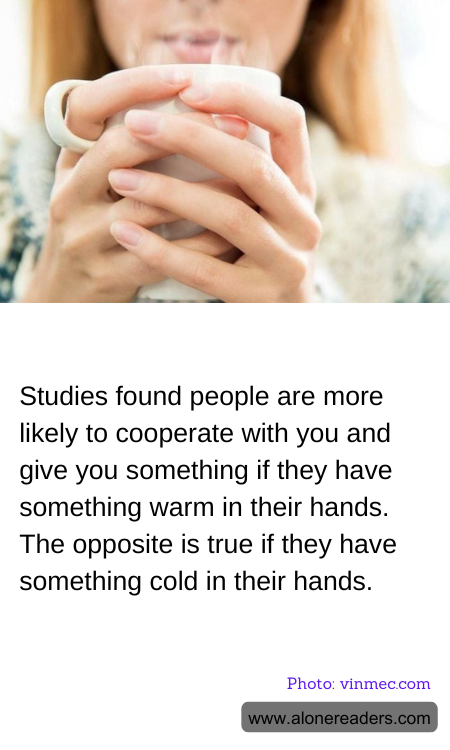
The intriguing connection between physical sensations and psychological states has been a topic of interest in social psychology for many years. Among the myriad studies exploring this phenomenon, one particularly fascinating area of research focuses on how the temperature of objects that individuals hold can influence their willingness to cooperate and be generous. Research has revealed that when people hold warm objects, they are more likely to exhibit cooperative behavior and a willingness to give to others, compared to when they hold cold objects.
This psychological response can be partially explained through the concept of embodied cognition, which suggests that our mental and emotional processes are deeply influenced by physical experiences. Holding a warm object, like a cup of coffee or tea, can subconsciously evoke feelings of warmth and comfort. These feelings, in turn, can foster a sense of trust and closeness towards others, making a person feel more generous and cooperative. Warmth is often associated with emotional warmth, which translates into more amicable interactions and a higher likelihood of altruistic behavior.
Conversely, cold objects can induce feelings of discomfort or even a sense of emotional coldness and distance. When people experience physical coldness, they may unconsciously feel less inclined to connect with others, leading to a decreased willingness to cooperate or share. This can be seen in everyday situations, such as negotiations or team projects, where the physical environment and conditions might subliminally influence participants' attitudes and behaviors.
Understanding these dynamics can have practical implications in various fields, including business, therapy, and negotiation practices. For example, creating warm environments during important business meetings or counseling sessions can potentially increase the level of trust and cooperation among participants. Likewise, individuals looking to foster a collaborative atmosphere might consider the ambient temperature or even the simple act of offering a warm beverage to others to facilitate more positive and productive interactions.
Moreover, this research underscores the importance of seemingly trivial sensory experiences in shaping our social interactions and mental states. It serves as a reminder of the complex ways in which our environmental and physical contexts can affect our psychological well-being and social behavior, encouraging a more holistic approach to understanding human dynamics.
