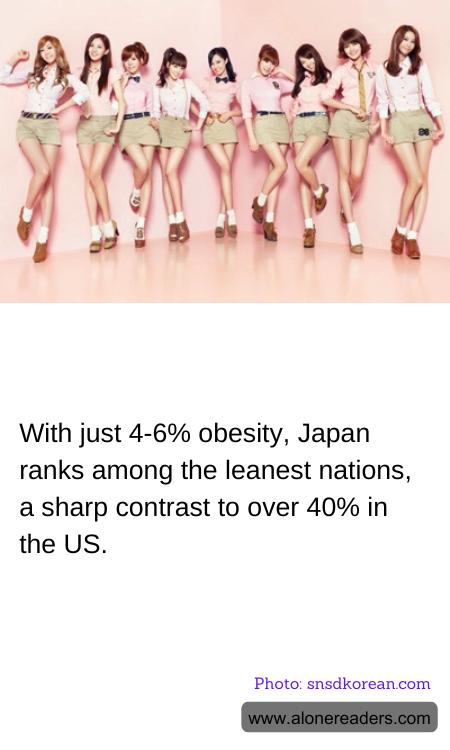
Japan's notably low obesity rate, which stands between 4-6%, starkly contrasts with the over 40% obesity rate observed in the United States. This significant disparity stems from a complex interplay of dietary habits, cultural influences, and public health policies that prioritize maintaining a healthy weight.
Traditional Japanese cuisine plays a crucial role in maintaining the nation's low obesity levels. The diet is rich in fish, rice, vegetables, fruits, and fermented foods like soy and miso, which are not only nutrient-dense but also lower in calories compared to the high-caloric, processed foods commonly consumed in the U.S. Portions in Japan are also generally smaller, and there is a cultural emphasis on eating only until 80% full (hara hachi bun me), which helps to prevent overeating.
In addition to dietary habits, Japan's daily life incorporates a lot of physical activity. The cities are designed to be walkable, and the widespread use of public transportation often involves walking to destinations. Moreover, biking is a popular means of transportation in many Japanese cities. Such lifestyle choices naturally integrate more physical activity into daily life compared to the more car-dependent lifestyle in the U.S.
Japanese health policies also actively discourage obesity. The country implemented the famous "Metabo Law" which includes annual waist measurements for adults between the ages of 40 and 74, with penalties for companies and local governments if their citizens do not meet specified health targets. This law reflects a proactive approach to prevent obesity-related diseases and emphasizes the importance of community and corporate responsibility in maintaining public health.
Furthermore, education about nutrition starts early in Japan, with school lunches that are not only healthy but are also used as a tool to teach children about proper nutrition. This contrasts with the U.S. where school lunches often include processed and fast foods, contributing to poor dietary habits from a young age.
The profound differences in obesity rates between Japan and the U.S. highlight the significant impact of diet, lifestyle, cultural values, and governmental intervention on public health. While the U.S. has started to promote healthier lifestyles and diets, Japan's integrated approach offers valuable insights into effectively managing national obesity rates.
