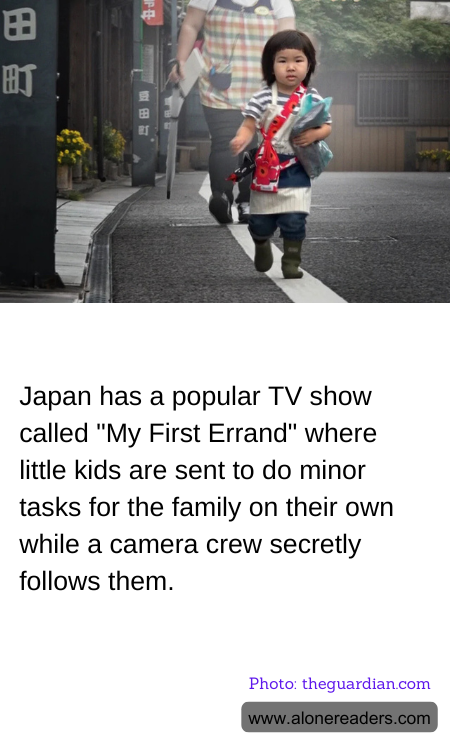
In Japan, the television show "My First Errand" has captured the hearts of viewers by showcasing young children, typically between the ages of two to seven, as they are sent out to complete errands on their own for the first time. This program, also known locally as "Hajimete no Otsukai," has been a beloved part of Japanese television culture since it first aired in the early 1990s. The premise is simple yet captivating: children are given a task by their parents, such as buying groceries or delivering items to a neighbor, and then they are discreetly filmed by a camera crew as they navigate their way.
The charm of "My First Errand" lies in the natural display of the children's innocence, determination, and the occasional comical mishap. As the children undertake these adventures, they often demonstrate surprising resourcefulness and earnestness, offering viewers a glimpse into the developmental aspects of early childhood. The show not only provides entertainment but also reflects broader Japanese cultural values such as independence, responsibility, and community trust in nurturing children's autonomy from a young age.
Although the idea of young children running errands alone might spark concern in some cultures, in Japan, it is viewed as a normal part of growing up and a safe activity in many communities. "My First Errand" capitalizes on this cultural norm to create poignant and heartwarming television. It highlights the importance of societal trust and the potential of children to manage tasks independently when given the opportunity.
Interestingly, while the concept centers on the children's solo journey, the support system is subtly emphasized through the presence of the film crew who ensures safety and through the community members who watch over the children as they move around. This blend of independence and community oversight presents an instructive dynamic, suggesting that teaching independence does not mean leaving children entirely to their own devices but rather providing them with a secure environment where they can safely make and learn from mistakes.
"My First Errand" stands as a unique testament to the values of nurturing independence and community trust in children, offering not just a TV show but a social commentary that resonates with many viewers both in Japan and internationally, where the format has inspired similar adaptations. Through the simple acts of buying bread or fetching an item from a local store, children teach us lessons about growth, capability, and the joy of accomplishing a task on their own for the very first time.
