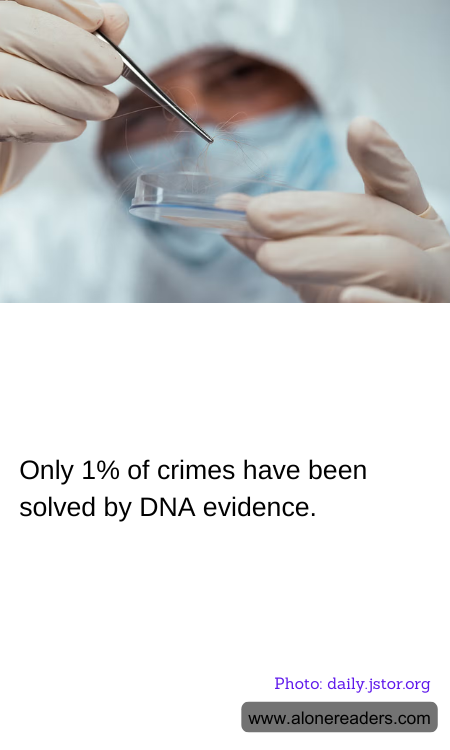
DNA evidence, hailed as a revolutionary tool in forensic science, has had a more limited role in solving crimes than popular culture might suggest. Despite its portrayal in TV shows and movies as the linchpin for cracking cases wide open, in reality, only about 1% of all criminal cases are solved using DNA evidence. This relatively low percentage can be attributed to several factors.
Firstly, the presence of DNA at a crime scene doesn't automatically mean it can be used to solve a crime. DNA samples can be degraded, contaminated, or too small to yield conclusive results. Moreover, DNA is not available at every crime scene, as many types of crimes, such as theft or drug offenses, might not involve physical contact, which is often a source of DNA material.
Secondly, even when DNA is available and can be fully analyzed, it needs to be matched against a database. If the perpetrator is not already in the database, then the DNA alone does not help identify them. This limits the effectiveness of DNA in solving crimes to cases where there is a match in the existing database, which isn't always the case.
Another critical limitation is the backlog and resource constraints in processing DNA samples. Many jurisdictions struggle with inadequate funding and equipment, leading to delays in the analysis of DNA collected from crime scenes. This slows down the investigative process and can sometimes mean that DNA evidence isn't integrated into the investigation until it's too late to make a significant difference.
Moreover, the reliance on DNA evidence must be balanced with legal and ethical concerns about privacy and the potential for misuse. The expansion of DNA databases raises significant privacy issues, as does the forensic use of genealogy databases which have been popularized in recent high-profile cases. These practices lead to important discussions about the balance between solving crimes and protecting individual privacy rights.
Despite these limitations, DNA evidence remains a powerful tool in the law enforcement arsenal, particularly in serious crimes like rape and murder. When DNA evidence is available and usable, it can be compelling, often considered nearly incontrovertible in courts. This has not only helped solve crimes but has also been instrumental in exonerating individuals wrongfully convicted.
In sum, while DNA evidence is a critical part of modern forensic science, its actual utility in solving crimes is more limited than might be expected. Improving the rate at which DNA helps solve crimes will likely require advancements in technology, expanded databases, faster processing methods, and ongoing discussions about ethical concerns.
