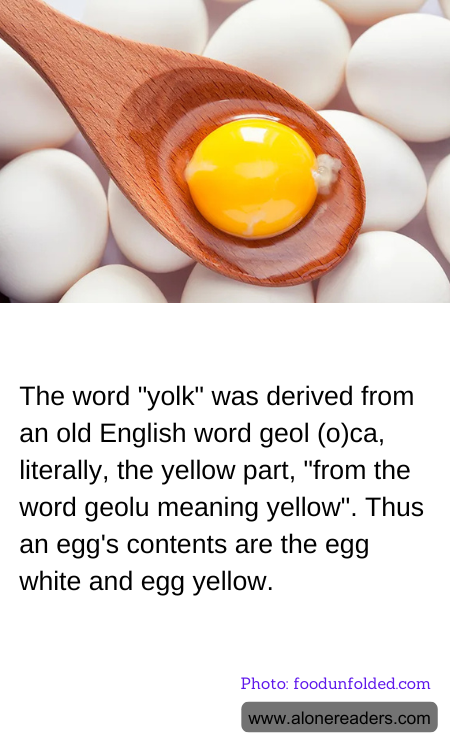
The etymology of the word "yolk" offers an interesting glimpse into language development and its connection to color. Derived from the Old English term "geol(o)ca," which translates to the yellow part, the word is rooted in "geolu," the Old English term for yellow. This linguistic background not only highlights how language evolves over time but also showcases how our ancestors named objects based on descriptive characteristics, such as color in this case.
Egg yolks are a distinctive yellow due to the presence of natural pigments found in the diet of the egg-laying animal, particularly xanthophylls, which are a type of carotenoid. These pigments are absorbed by the hen and deposited into the yolk. The vibrant color can vary slightly depending on the specifics of the hen's diet, ranging from a pale yellow to a deep orange.
The distinction between the egg white and the egg yolk is clear not just in color but in function and nutritional content. The egg white, also known as albumen, primarily contains water and proteins. It serves as a protective layer for the yolk and provides additional nutrients in the protein form. The yolk, on the other hand, is a rich source of vitamins, minerals, fats, and proteins. It is here that most of an egg's calories, vitamins A, D, E, and cholesterol are contained. The yolk also includes lecithin, an essential nutrient for humans.
Understanding the origin of the word yolk and its biological makeup enhances our appreciation for the complexity and beauty found within the natural world. The way language and nature intertwine through something as common as an egg is a testament to the depth and interconnectedness of our existence.
